Map the Arbitrum Perp DEX landscape
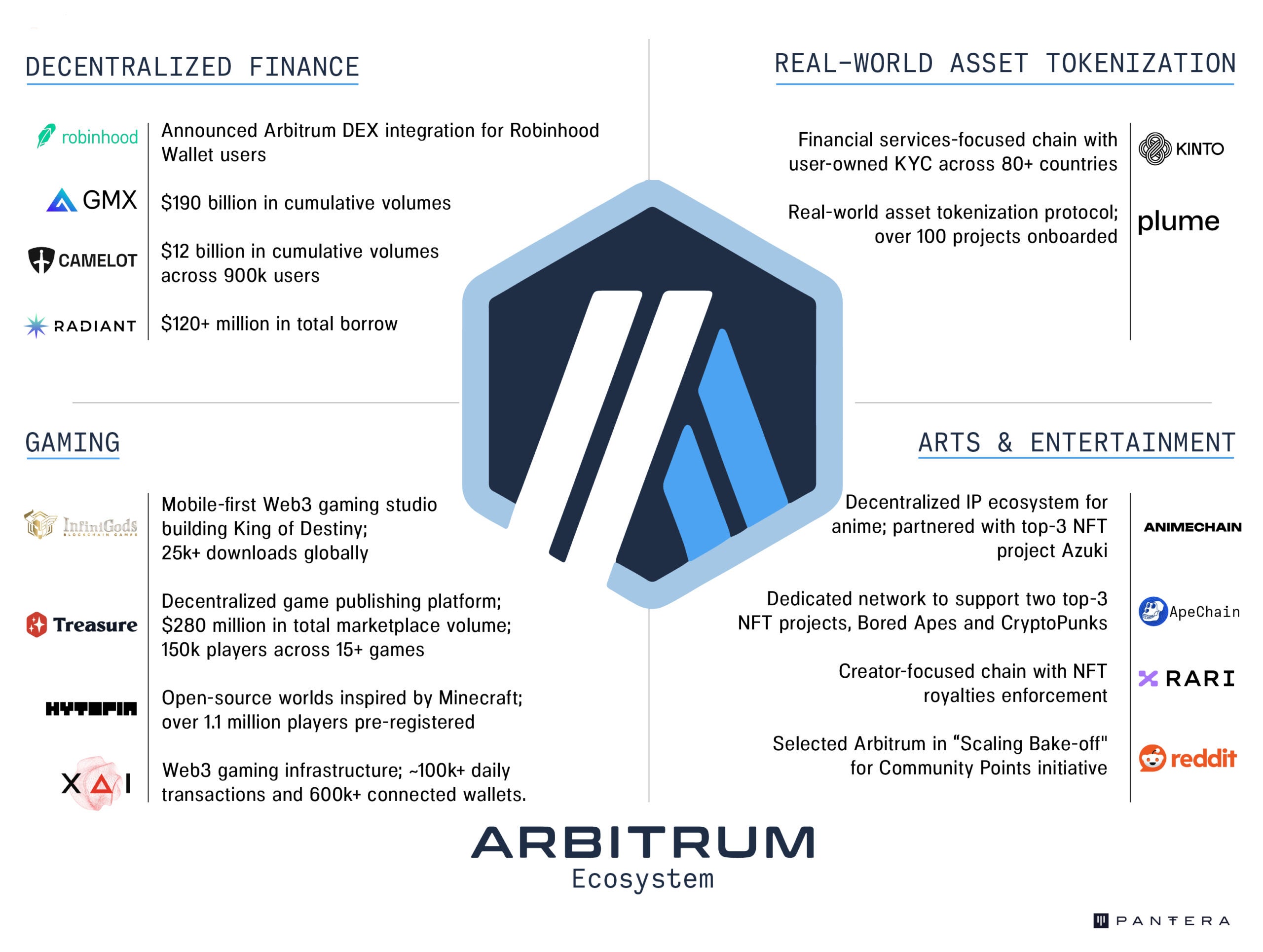
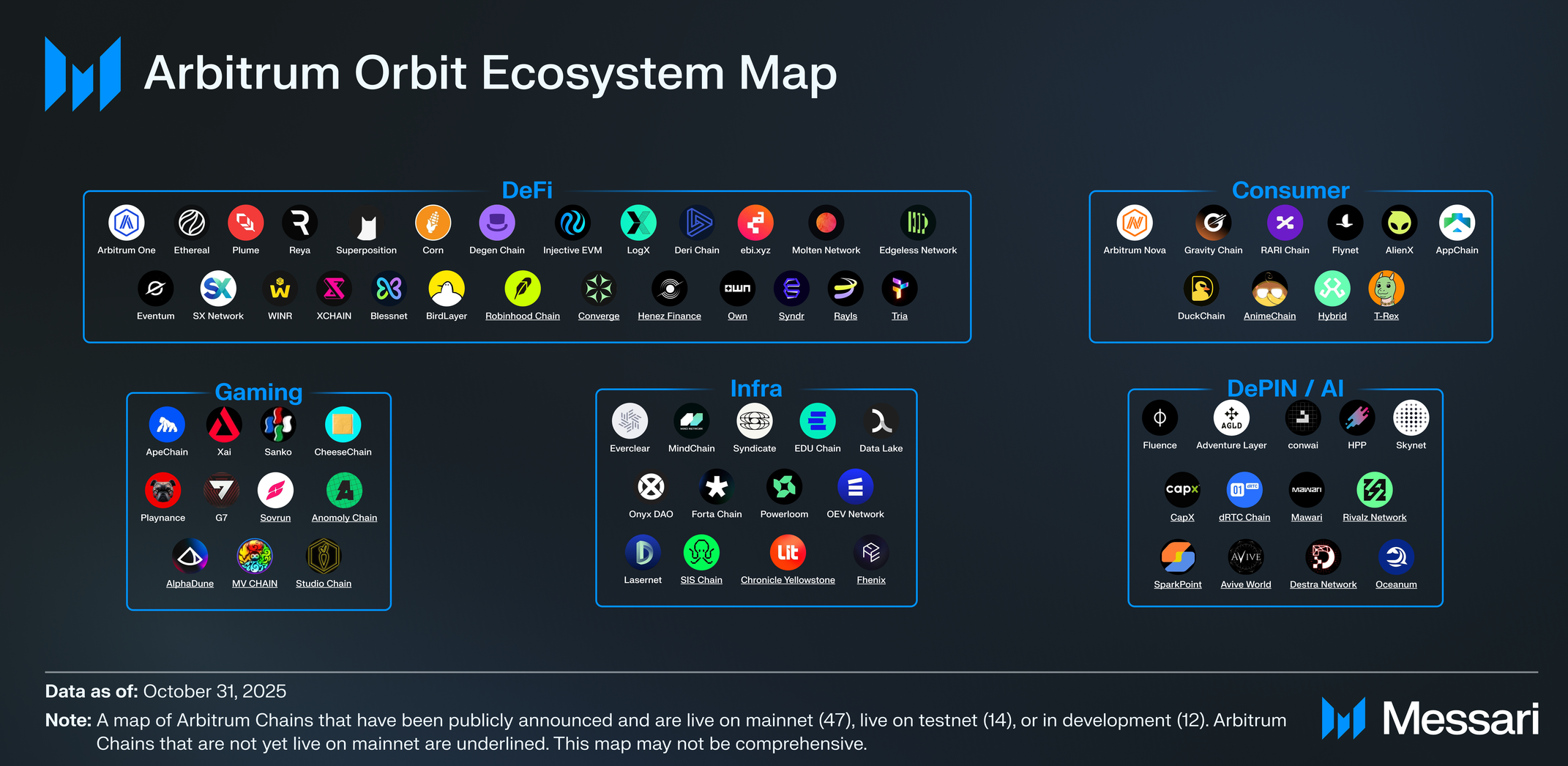
The Arbitrum Perp DEX ecosystem has matured from a collection of isolated liquidity pools into a networked infrastructure. This shift toward shared liquidity models reduces fragmentation and improves capital efficiency for traders. To navigate this space, you need to understand the three layers that support these derivatives: the base rollup, the oracle data feeds, and the execution protocols themselves.
At the base layer, Arbitrum One uses optimistic rollup technology to settle transactions on Ethereum while processing them off-chain. This architecture provides the throughput necessary for high-frequency trading without the latency spikes common on L1 networks. For technical details on how these rollups function, the official Arbitrum documentation outlines the node requirements and bridging mechanics.
Above the base layer, oracles serve as the price source for all perpetual contracts. Protocols rely on decentralized oracle networks to fetch real-time asset prices, ensuring that liquidations and funding rates reflect actual market conditions. If the oracle data lags or fails, the entire contract becomes vulnerable to manipulation or stale pricing.
The execution layer hosts the actual perpetual DEXs. These protocols allow traders to open leveraged positions on assets ranging from Bitcoin to altcoins. While the broader market sees a "second on-chain exchange war" driven by aggressive incentives, the Arbitrum ecosystem focuses on sustainable liquidity depth and low slippage for large orders.
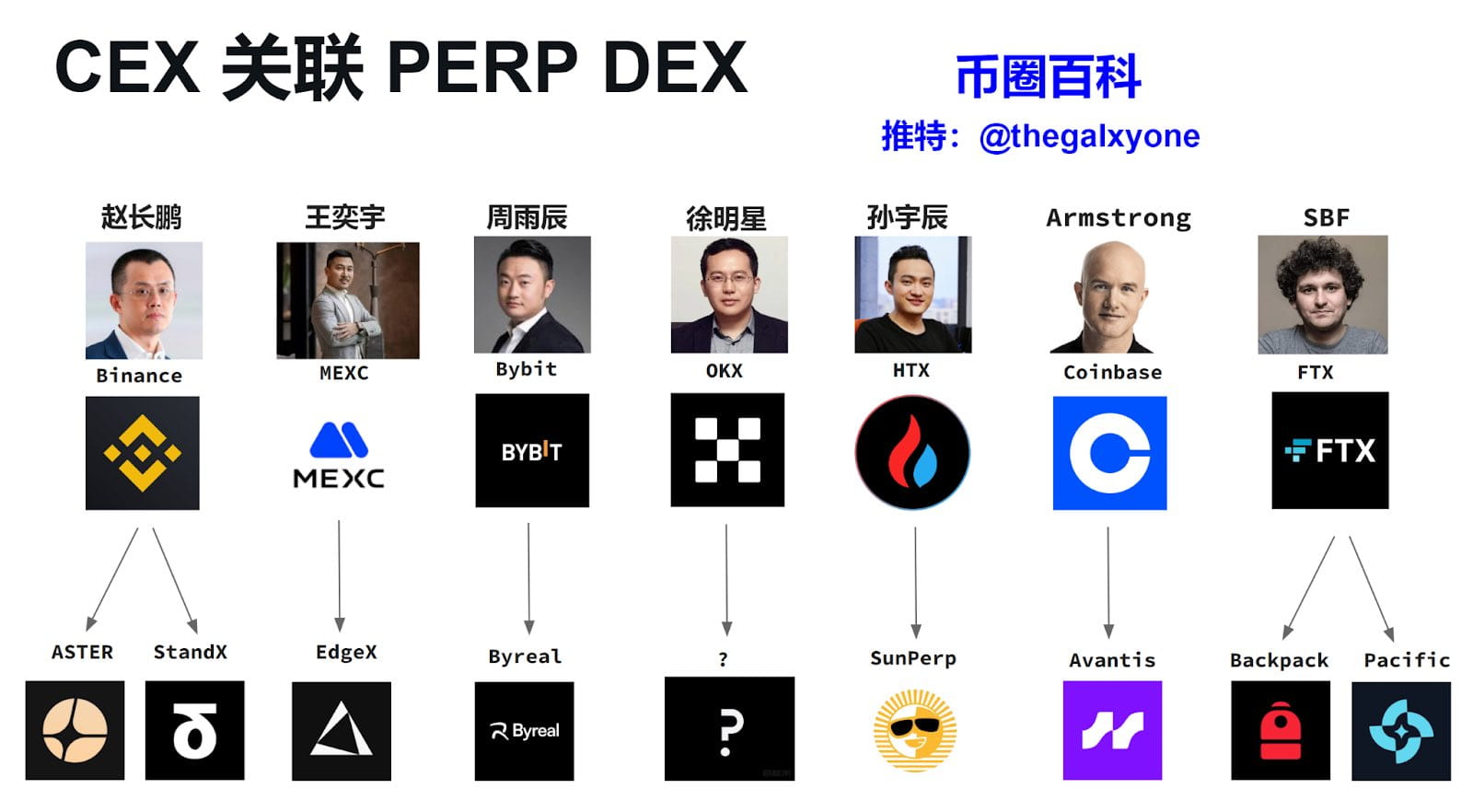
When mapping this ecosystem, prioritize protocols that have been audited and have a proven track record of solvency. The infrastructure is complex, but the goal is simple: find the most efficient path to execute your trade with the lowest risk of oracle failure or liquidity gaps.
Select execution tools and data feeds
Tracking the Arbitrum Perp DEX ecosystem requires more than just watching prices. You need reliable infrastructure to monitor liquidity, execution latency, and oracle health. Relying on basic exchange interfaces often leaves you blind to off-chain risks or delayed price updates.
Start by identifying the right data providers. Aggregators like DeFiLlama or Dune Analytics offer transparent views of total value locked (TVL) and trading volume across different perpetual DEXs. These platforms help you verify which protocols are actually active and where the real liquidity resides. For deeper on-chain analysis, tools like Arkham Intelligence can trace wallet movements and identify large whale positions that might signal upcoming volatility.
Next, evaluate the oracle infrastructure. Perpetual DEXs depend on accurate price feeds to prevent liquidation errors and ensure fair trading. Most major Arbitrum perp DEXs use Chainlink or Pyth Network for their data feeds. Verify that the protocol you are using integrates these primary sources directly. Avoid platforms that rely on single, unverified price sources, as this increases the risk of oracle manipulation.
Finally, set up real-time alerts. Use platforms like DefiEdge or custom Dune dashboards to monitor specific metrics like funding rates or open interest spikes. This proactive approach allows you to react to market shifts before they impact your positions.
| Tool | Primary Focus | Data Latency |
|---|---|---|
| DeFiLlama | TVL & Volume Aggregation | ~5-10 minutes |
| Arkham Intelligence | Wallet Tracking & Entity Analysis | Near real-time |
| Chainlink/Pyth | Oracle Price Feeds | Sub-second |
Execute trades with minimal slippage
Running a perp trade on an Arbitrum Perp DEX Ecosystem Mapping guide platform requires precision. You aren't just buying a token; you're entering a leveraged position where timing and routing matter more than in spot markets. A single misstep in slippage tolerance or liquidity selection can eat into your margins before the trade even settles.
We will walk through the exact workflow to execute these trades efficiently. This process focuses on connecting your wallet, selecting the right liquidity pool, setting optimal slippage, and confirming the transaction with gas awareness. Follow these steps to minimize friction and protect your capital.
Start by navigating to the official interface of your chosen Arbitrum Perp DEX. Most platforms require a Web3 wallet like MetaMask, Rabby, or Coinbase Wallet. Ensure your network is set to Arbitrum One to avoid transaction failures. Connect your wallet and verify the contract address to prevent phishing attempts. This initial handshake establishes your trading identity on-chain.
Choose the asset pair you wish to trade, such as ETH/USD or BTC/USD. On an Arbitrum Perp DEX Ecosystem Mapping guide, liquidity is often fragmented across different pools or venues. Look for the pool with the highest open interest and deepest order book depth. Higher liquidity means tighter spreads and less price impact when you enter or exit your position. Avoid low-volume pools to prevent unexpected slippage.
Set your leverage ratio carefully. Higher leverage increases potential returns but also amplifies liquidation risk. For slippage, set a tight tolerance (e.g., 0.5% to 1%) if the market is calm. In volatile conditions, increase this slightly to ensure your trade fills. Arbitrum's fast block times usually allow for tighter settings than L1 chains, but always account for potential network congestion during high-volume events.
Before confirming, review the estimated execution price, funding rate, and total fees. Arbitrum uses a rollup architecture, which keeps gas costs low, but fees can spike during network stress. Ensure you have enough ETH in your wallet to cover the transaction fee. The interface should display a clear breakdown of costs. If the price impact is too high, consider splitting your order or waiting for better liquidity.
Sign the transaction in your wallet. Once signed, the transaction is broadcast to the Arbitrum sequencer. Monitor the status in your wallet or a block explorer like Arbiscan. Arbitrum transactions typically confirm within seconds. Once confirmed, your position is live. You can now track your PnL, adjust stop-losses, or manage your leverage through the DEX interface.


As an Amazon Associate, we may earn from qualifying purchases.
Common Execution Mistakes to Avoid
Even with a streamlined workflow, traders often fall into traps. Here are the most frequent errors when using an Arbitrum Perp DEX Ecosystem Mapping guide platform:
- Ignoring Funding Rates: Perp trades incur funding fees paid periodically. If you hold a position against the market trend for too long, these fees can erode profits. Check the current funding rate before opening a long-term position.
- Setting Slippage Too Low: In fast-moving markets, a 0.1% slippage tolerance might cause your trade to fail repeatedly. Adjust this dynamically based on volatility.
- Overleveraging: High leverage leaves little room for error. A small adverse price movement can liquidate your entire position. Start with low leverage (2x-5x) until you understand the platform's liquidation mechanics.
Avoid common liquidity and security risks
Perpetual DEXs on Arbitrum offer leverage and low fees, but they carry specific structural risks. Liquidity fragmentation and oracle manipulation can lead to slippage or liquidations that don’t reflect the true market. Smart contract vulnerabilities remain a constant threat in DeFi. You need to verify the infrastructure before trading.
Check audit reports and bug bounties
Never deposit funds into a perp DEX without reviewing its security posture. Look for reports from reputable firms like Quillaudits or OpenZeppelin. These audits detail the smart contract architecture and identify potential vulnerabilities. A strong bug bounty program is also essential, as it incentivizes white-hat hackers to find and report flaws before malicious actors exploit them. If a protocol lacks a public audit or has unresolved critical issues, avoid it. Quillaudits provides a guide on perp DEX security to help you understand what to look for.
Monitor oracle integrity
Oracles feed price data to perp DEXs. If an oracle is manipulated or delayed, your positions could be unfairly liquidated. Prefer protocols that use decentralized oracle networks rather than single-source price feeds. Check the oracle’s latency and historical accuracy. If the price on the DEX deviates significantly from major exchanges like Binance or Coinbase, pause trading. This deviation often signals an oracle issue or a liquidity crunch.
Watch for liquidity fragmentation
Arbitrum hosts many perp DEXs, which splits liquidity. Low liquidity means wider spreads and higher slippage, especially for large orders. Before placing a trade, check the order book depth and open interest. If liquidity is thin, consider splitting your order or waiting for higher volume. Trading on a fragmented pool can cost you more in slippage than you gain from lower fees.
Verify protocol security and audits
Before locking capital into any Arbitrum Perp DEX, treat security verification as a non-negotiable step. Smart contract vulnerabilities are the primary risk vector in perpetual trading, so you must confirm the code is battle-tested and transparent.
Start by locating the official audit reports. Reputable protocols publish these on their documentation sites or platforms like Immunefi. Look for reports from established firms such as OpenZeppelin, Trail of Bits, or CertiK. Do not rely solely on the protocol’s own claims; verify the auditor’s identity and check if they have addressed all findings.
Next, check the contract verification status on Arbiscan. Ensure the deployed bytecode matches the verified source code. This step confirms that the code you are reviewing is exactly what is running on-chain. If the contracts are unverified, proceed with extreme caution or avoid the platform entirely.
Finally, assess the oracle health. Perp DEXs rely on price feeds to determine liquidations and mark prices. Check if the protocol uses decentralized oracles like Chainlink or Pyth, which are generally more resilient than single-source feeds. Verify the oracle’s latency and historical accuracy to ensure fair execution during high volatility.
No comments yet. Be the first to share your thoughts!