Mapping the Arbitrum Perp DEX Ecosystem
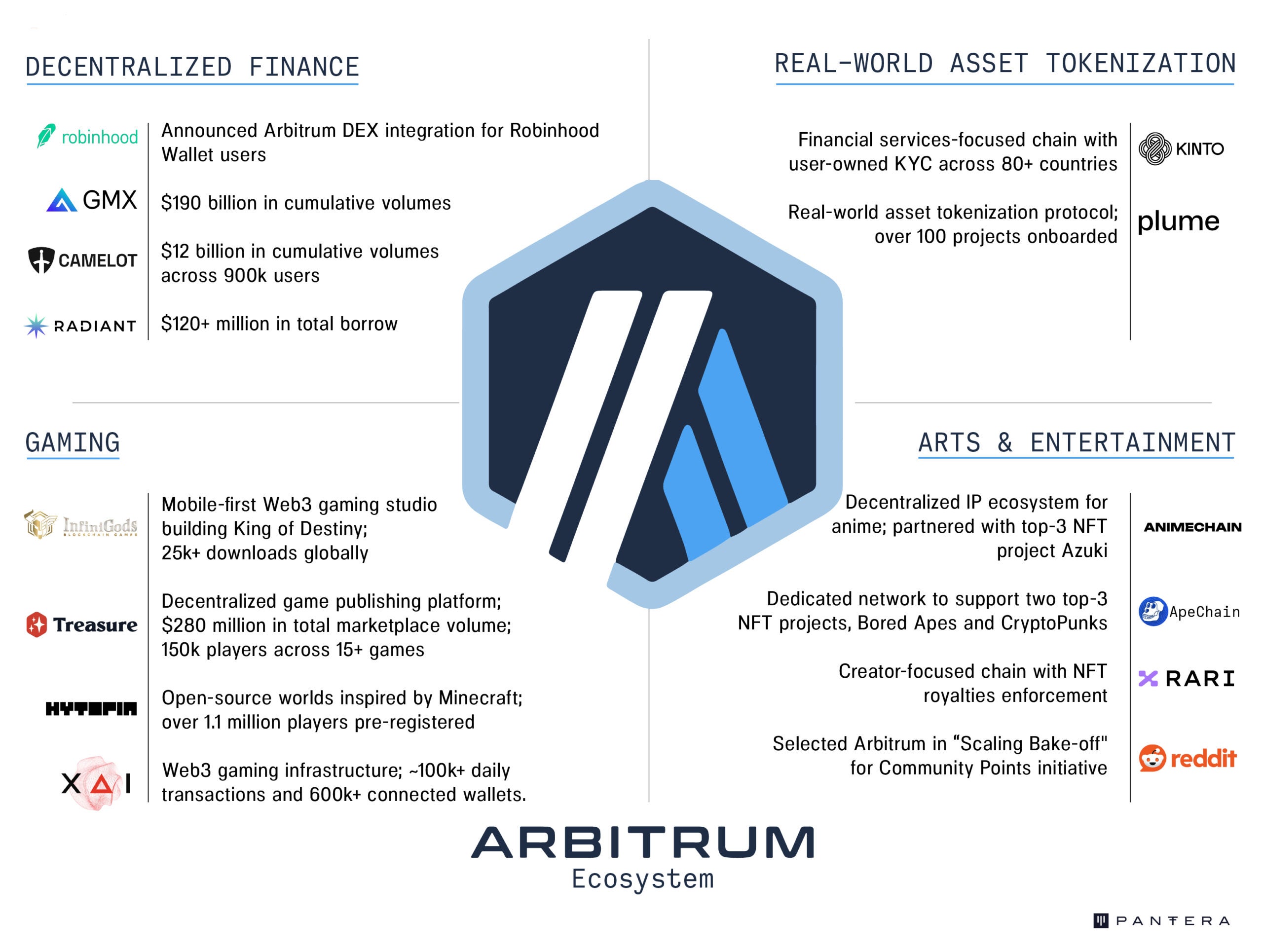
The Arbitrum perp DEX ecosystem is the primary hub for decentralized perpetual futures trading, leveraging Layer 2 scalability to offer lower fees and faster settlement than Ethereum mainnet. This concentration of liquidity creates tighter spreads and deeper order books, but it also results in a complex landscape of competing protocols with distinct architectural risks. Understanding these differences is critical for managing slippage, funding rates, and liquidation exposure.
The three architectures behind Arbitrum perp DEXs
Perpetual DEXs on Arbitrum generally fall into three buckets: AMM-based, orderbook, and hybrid. The difference isn’t just UI polish; it changes how margin works, how slippage behaves, and who bears the funding risk.
AMM-based perps
AMM perp DEXs use a pricing oracle plus a virtual liquidity pool. Traders take positions against the pool, and the protocol rebalances via funding rates and oracle mark prices. This model is simple to audit and easy to scale on L2s like Arbitrum, but it can suffer from oracle latency gaps during high volatility.
Orderbook perps
Off-chain orderbook perps match buyers and sellers in an engine off-chain, then settle on-chain. They offer tighter spreads and deeper liquidity for large sizes because they don’t rely on a single AMM curve. The tradeoff is complexity: users must trust the sequencer or matchmaker, and withdrawal timing depends on how quickly the protocol can batch and finalize on-chain settlements.
Hybrid models
Hybrid perp DEXs combine an AMM for small, fast trades with an orderbook or matched-book layer for larger sizes. The goal is to give retail traders instant execution while allowing institutional-sized orders to find liquidity without moving the price. Hybrid systems add operational overhead and require careful risk management to prevent arbitrage between the two legs.
“The security tradeoffs of perp DEX architectures hinge on where liquidity lives and how pricing is enforced.” — QuillAudits, A Guide to Perpetual DEX Architecture & Security
Arbitrum Perp DEX: fees, leverage, and liquidity at a glance
Slippage and fees are the two numbers that actually matter when you are trading perpetuals on Arbitrum. While many protocols advertise low costs, the real cost is determined by how much liquidity sits in the order book or oracle pool at any given second. A protocol with zero maker fees can still be expensive if the spread is wide enough to eat your margin.
The table below compares the primary infrastructure choices for Arbitrum perp trading. We focus on the metrics that impact your entry and exit: the cost to trade, the maximum leverage available, and the depth of the market.
| Protocol | Maker Fee | Taker Fee | Max Leverage | Primary Assets |
|---|---|---|---|---|
| GMX | 0% | 0.1% | Up to 50x | ETH, ARB, BTC, SOL |
| Aevo | 0.02% | 0.05% | Up to 20x | ETH, BTC, SOL, AVAX |
| Hyperliquid | 0.02% | 0.05% | Up to 50x | HYPE, ETH, BTC |
| KyberSwap (PERP) | 0.0% | 0.05% | Up to 10x | ETH, USDC, ARB |
GMX remains the standard for spot-funding perpetuals, offering deep liquidity for major assets like ETH and ARB. Its zero maker fee model attracts market makers, but the 0.1% taker fee is higher than some competitors. Aevo and Hyperliquid offer tighter taker fees (0.05%) and are often preferred for high-frequency trading or tighter spreads, though their leverage limits and oracle mechanisms differ slightly. Kyber’s perp product is simpler but generally offers lower maximum leverage, making it better for conservative traders.
When choosing a platform, look beyond the headline fee percentage. A 0.05% fee is only better than 0.1% if the order book is deep enough to fill your size without moving the price. For large positions, the liquidity depth of GMX often outweighs the slight fee savings on Aevo or Hyperliquid. For smaller, frequent trades, the lower taker fees on Aevo and Hyperliquid can add up quickly.
Execution strategy and risk management
Mapping the ecosystem is only half the battle. The other half is surviving the trade. On Arbitrum, speed is cheap, but risk is real. You are trading against sophisticated market makers and automated liquidation engines. A strategy that works on Ethereum mainnet can fail here due to latency differences and liquidity fragmentation.
1. Check oracle latency before entry
Perp DEXs rely on oracles for price feeds. If the oracle lags behind the spot market, your position might be liquidated prematurely or filled at a bad price. Always verify the current oracle price against a live spot exchange (like Uniswap or a centralized exchange) before executing a large order. If the spread is wide, wait. Do not trade into stale data.
2. Set slippage tolerance based on depth
Liquidity on Arbitrum perp DEXs is concentrated. A small order might slip 0.1%, but a large one could slip 1% or more. Check the order book depth for your specific pair. Set your slippage tolerance just high enough to ensure execution, but low enough to protect against sandwich attacks. A tight slippage setting (0.05%-0.1%) is usually safe for small trades; increase it only if the order book is thin.
3. Monitor liquidation prices closely
Liquidation isn't a binary event; it's a gradient. As your position approaches the liquidation price, the cost to maintain it rises. Use a position tracker that updates in near real-time. If you are using high leverage, set up price alerts well before the liquidation threshold. Don't wait for the margin call email.
4. Use limit orders for precision
Market orders are convenient but expensive. They consume liquidity and often result in worse fills. Use limit orders to specify your exact entry and exit prices. This gives you control over slippage and allows you to place orders at key technical levels. Limit orders also signal your intent to the market, potentially attracting liquidity providers.
5. Review gas and fees
Arbitrum is low-fee, but fees are not zero. Understand the fee structure of the perp DEX you are using. Some charge a maker/taker fee, while others have a flat fee or a funding rate model. Factor these costs into your P&L calculation. A strategy with a 0.5% edge can become unprofitable if fees are 0.3% per trade.
6. Diversify across protocols
Don't put all your capital in one perp DEX. Different protocols have different risk profiles, oracle sources, and liquidity pools. Diversifying across two or three reputable protocols can mitigate the risk of a single point of failure. If one protocol experiences a glitch or exploit, your other positions remain safe.
7. Test with small sizes first
Never deploy your full capital on a new protocol or strategy. Start with a small position to test the execution flow, slippage, and liquidation mechanics. Once you are comfortable with the process, you can scale up. This is the only way to truly understand how a specific perp DEX behaves under stress.
Where the Community Stands
Sentiment in the Arbitrum perp DEX space is shifting from speculation to infrastructure scrutiny. The conversation has moved beyond simple price action to how liquidity actually flows and settles. Traders are watching the DAO’s ecosystem mapping recommendations closely, treating them as a roadmap for where capital and resources will be deployed next.
"Identifies key areas where Arbitrum is underweight and offers targeted guidance on where the DAO might deploy capital or resources."
— Arbitrum Foundation Forum
This focus on structural gaps is visible across community channels. Discussions on Reddit frequently center on the reliability of perp venues during high volatility, with users comparing the depth and slippage of different DEXs. The consensus is clear: trust is built on transparent liquidity, not just marketing.
The official Arbitrum forum remains the primary source for serious architectural debate. Traders are using these threads to identify where the ecosystem is underweight, ensuring they don’t lose capital in thin markets. This disciplined approach to community signals helps investors separate noise from genuine ecosystem growth.
Frequently asked questions about arbitrum perps
What is the Arbitrum DeFi ecosystem?
The Arbitrum DeFi ecosystem is the collection of decentralized protocols built on the Arbitrum One and Nova chains. It leverages decentralized networks to transform traditional financial products into trustless, transparent protocols that operate without intermediaries. For perp DEXs, this means users can trade derivatives with low gas fees and fast finality, relying on the security of Ethereum L1 while benefiting from Arbitrum’s scalability.
How to do ecosystem mapping for perp DEXs?
Ecosystem mapping starts by identifying all players and entities involved in the service supply and delivery, from liquidity providers to oracle feeds. Place the user at the center of the worksheet, then position the other players in the space around them. Take a step back to observe the map’s structure, then highlight pain points or gaps, such as underweight areas where capital or resources could be deployed to improve liquidity depth or user experience.
Why is Arbitrum popular for perpetual exchanges?
Arbitrum’s dominance in perp DEXs stems from its ability to offer Ethereum-level security with significantly lower transaction costs. This cost efficiency is critical for high-frequency trading and small-position management, which are common in perpetual futures markets. Additionally, the network’s mature infrastructure supports complex smart contract interactions, allowing perp DEXs to offer leveraged trading without the latency issues seen on other L2s.
No comments yet. Be the first to share your thoughts!