The Arbitrum perpetual landscape
Arbitrum has evolved from a scaling experiment into the primary settlement layer for decentralized derivatives. By using optimistic rollups, it processes transactions on a proprietary sidechain while settling final state to Ethereum. This architecture delivers the security of the Ethereum mainnet with the throughput and low fees required for high-frequency trading. The result is a cost-efficient environment where perp DEXs can operate without the prohibitive gas costs that plague Layer-1 networks.
The ecosystem’s growth is driven by this structural advantage. Traders are drawn to the combination of Ethereum’s robust security model and Arbitrum’s ability to handle complex smart contract interactions cheaply. For perpetual futures specifically, this means tighter spreads and faster execution, which are critical for leveraged positions. The infrastructure supports a wide variety of protocols, each offering different leverage options and asset pairs, all inheriting the same underlying security guarantees.
This landscape is not static. As new protocols launch and existing ones upgrade their matching engines, the competitive edge shifts toward those that can offer the best user experience and capital efficiency. The Arbitrum ecosystem currently hosts some of the most active perp DEXs, making it a central hub for on-chain derivatives trading. Understanding this infrastructure is the first step in navigating the market effectively.
Core infrastructure layers
Perpetual DEXs on Arbitrum are not standalone applications; they are complex systems relying on three synchronized layers to function. If any one of these layers fails, the entire trading experience collapses. Understanding how oracles, settlement, and execution interact is essential for assessing the reliability of any platform you use.
Price Oracles
The foundation of any perp DEX is accurate, real-time pricing. Without reliable data, liquidations become arbitrary and markets lose trust. Most platforms on Arbitrum use decentralized oracle networks like Chainlink or Pyth Network to feed price data directly to smart contracts.
These oracles aggregate data from multiple exchanges to prevent manipulation. They update frequently enough to handle the volatility of crypto markets while remaining cost-effective for the L2 environment. If an oracle lags or provides stale data, traders face unfair liquidations or arbitrage opportunities that drain protocol funds.
Settlement Layer
Settlement refers to where the final record of a trade lives. On Arbitrum, this is the L2 chain itself, which batches transactions and settles them to Ethereum. This architecture provides the speed and low fees necessary for high-frequency trading while inheriting Ethereum’s security guarantees.
The settlement layer must handle state updates efficiently. It processes trades, updates margin balances, and records liquidations in a way that is verifiable by anyone. The choice of settlement layer dictates the finality of trades and the cost structure for users. A robust settlement layer ensures that once a trade is confirmed, it is immutable and secure.
Execution Engine
The execution engine matches buy and sell orders. It operates off-chain or in a hybrid model to reduce gas costs, then submits the results to the settlement layer. This separation allows for a user experience that feels like a centralized exchange but operates with the transparency of a decentralized protocol.
Execution speed and fairness are critical. The engine must process orders quickly to prevent front-running and slippage. It also manages the risk parameters, such as margin requirements and position limits, ensuring that the protocol remains solvent even during extreme market moves.
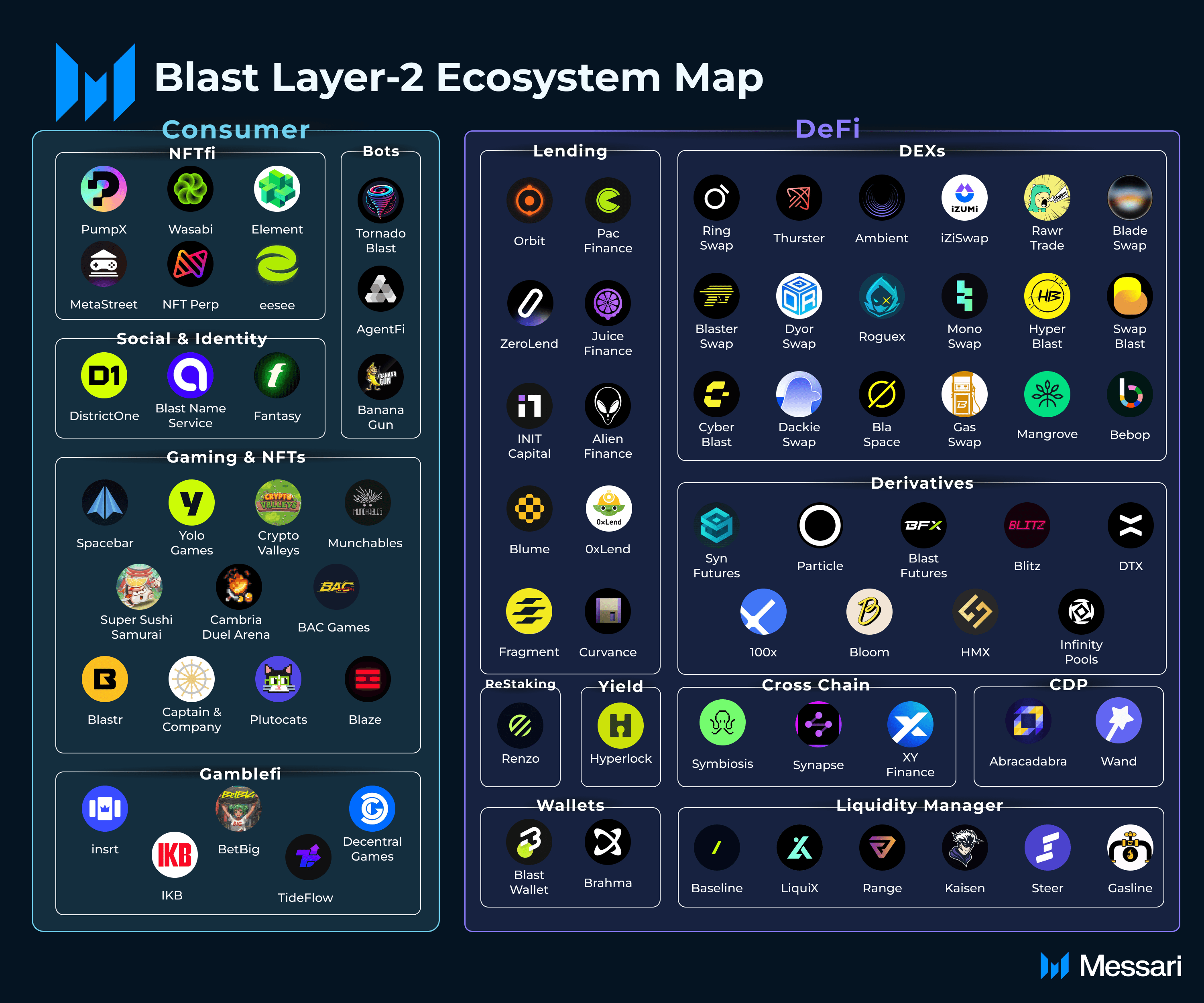
Arbitrum Perp DEXs: Side-by-Side Comparison
Choosing the right perpetual DEX on Arbitrum often comes down to a trade-off between fees, liquidity depth, and interface speed. The following table compares the core metrics of the leading platforms to help you identify the best fit for your trading style.
| Protocol | Maker/Taker Fees | Max Leverage | Approx. TVL |
|---|---|---|---|
| GMX | 0.1% / 0.1% | Up to 50x | $350M+ |
| Gains Network (gTrade) | 0% / 0.1% | Up to 100x | $150M+ |
| Hyperliquid | 0.02% / 0.05% | Up to 50x | $800M+ |
| Aerodrome (Perps) | Varies | Up to 20x | $50M+ |
GMX remains the volume leader, offering deep liquidity and a proven track record. Its fee structure is transparent, though slightly higher than some competitors. Gains Network appeals to traders seeking high leverage and near-zero maker fees, though it operates with a different risk model. Hyperliquid, while technically a separate chain, integrates seamlessly with Arbitrum users and offers some of the lowest fees in the market.
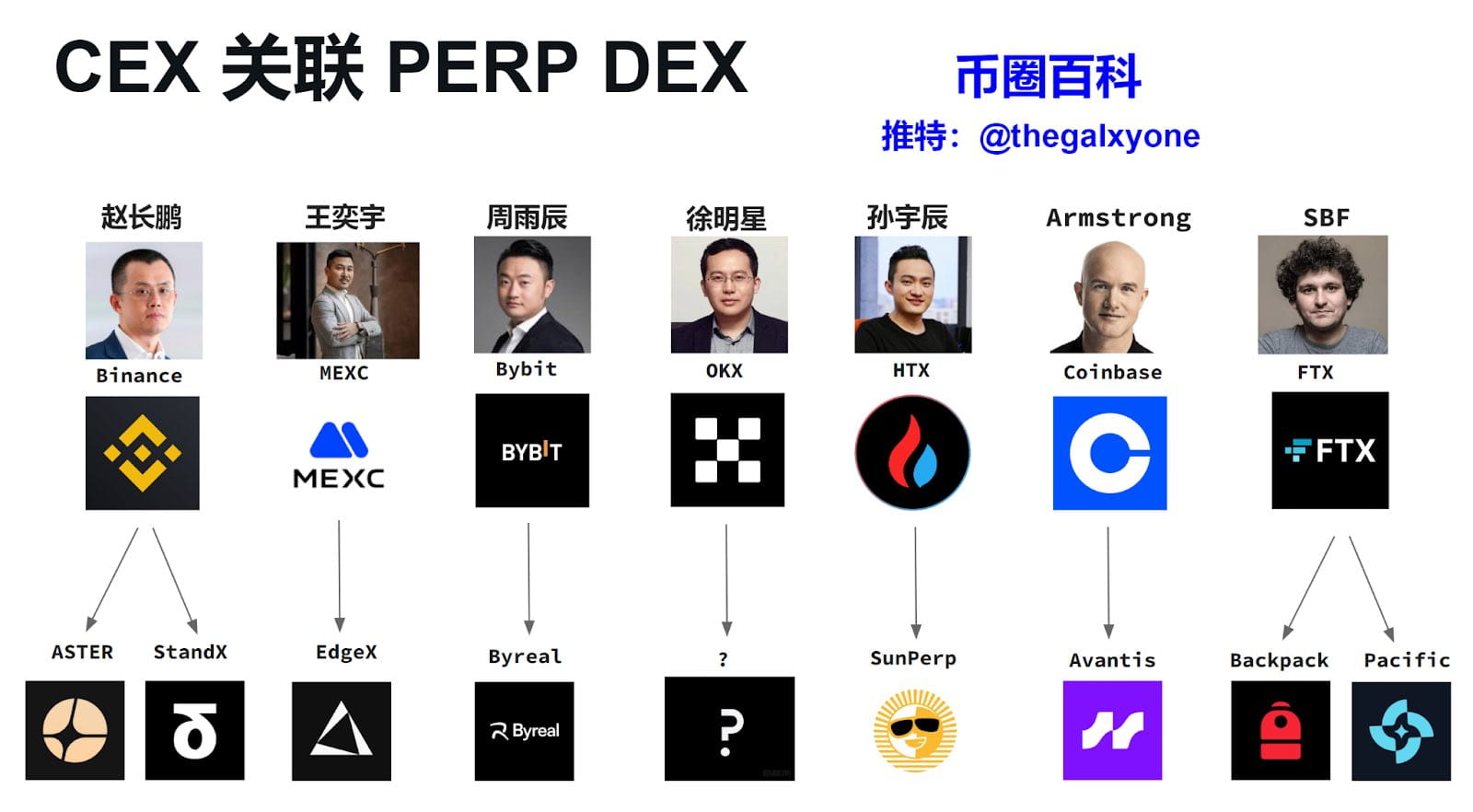
For real-time market context, it is helpful to monitor the underlying asset prices. The following chart shows the current price action for ETH, which is the most commonly traded asset across these platforms.
Execute trades without blowing up your account
Trading perpetuals on Arbitrum offers speed and low fees, but it introduces specific execution risks that can drain your capital faster than market moves alone. Navigating this ecosystem requires a disciplined approach to slippage, oracle latency, and smart contract security. Treat every trade as a test of your risk management, not just your market timing.
Perpetual DEXs often suffer from lower liquidity than centralized exchanges, especially during high volatility. Set strict slippage tolerance levels (typically 0.5% to 1%) to prevent filling orders at unfavorable prices. If the market is moving fast, use limit orders instead of market orders to control your entry and exit points precisely.
Most Arbitrum perp DEXs rely on oracle feeds (like Chainlink or Pyth) to determine mark prices. During extreme market events, these feeds can lag or experience gaps, leading to unfair liquidations. Monitor the oracle latency status of your chosen platform before opening large positions. Avoid holding highly leveraged positions during major macroeconomic announcements when oracle updates may be delayed.
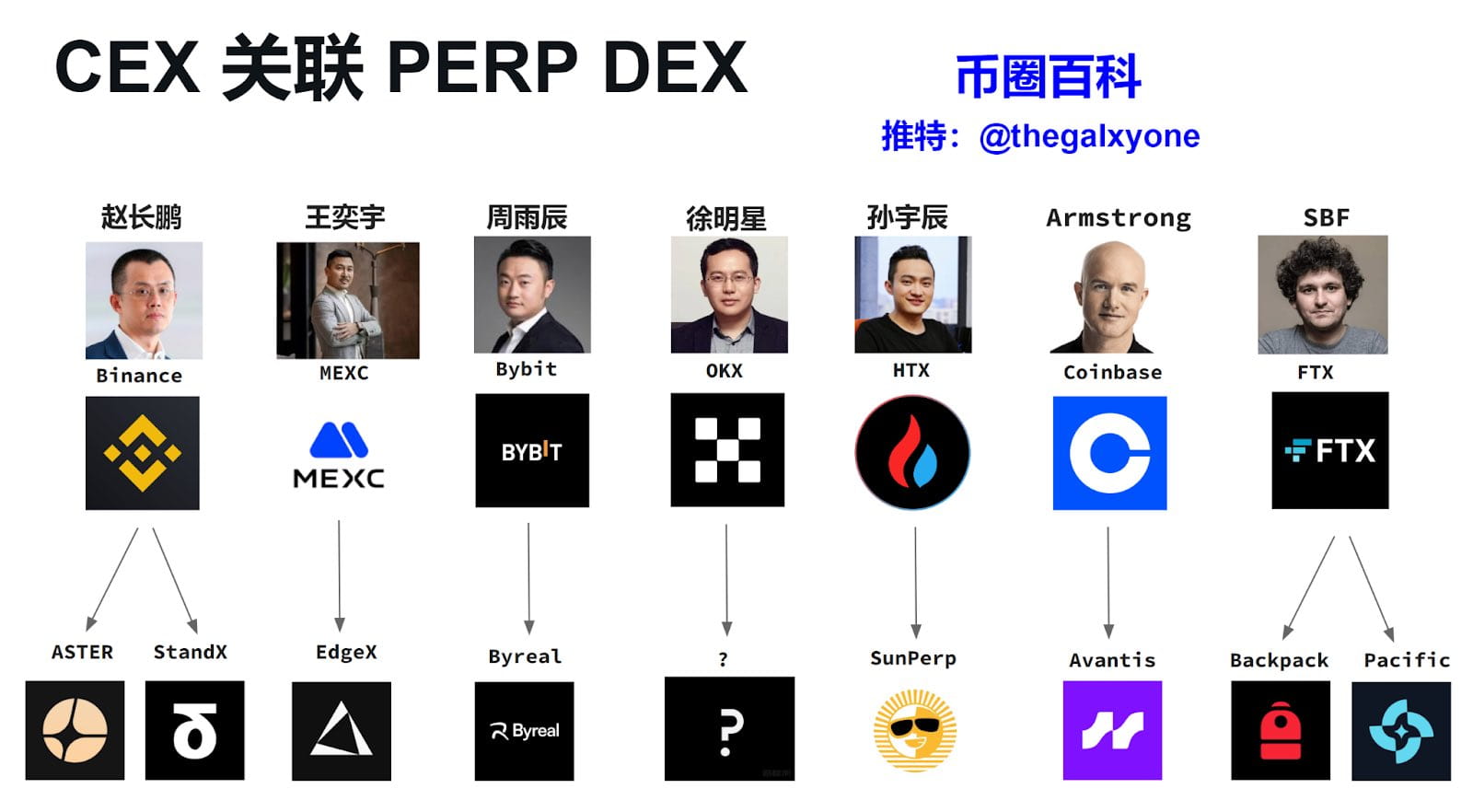
Before depositing funds, check if the protocol has undergone a reputable third-party audit. Platforms like QuillAudits provide detailed reports on architecture and security mechanisms. Look for recent audits and bug bounty programs. Never trust a protocol solely based on its marketing; verify the code has been scrutinized by independent security firms.
| Feature | CEX | Arbitrum Perp DEX |
|---|---|---|
| Slippage | Low (high liquidity) | Variable (depends on pool) |
| Oracle Risk | Minimal | Moderate to High |
| Audit Transparency | Opaque | Public on-chain |
What traders are saying
The conversation around Arbitrum perp DEXs has shifted from basic onboarding to nuanced execution preferences. Traders on the official Arbitrum forum are increasingly debating the trade-offs between GMX’s on-chain liquidity models and emerging venues that offer deeper order book depth.
While technical metrics dominate the headlines, community sentiment highlights a growing demand for lower fees during high volatility. The focus is no longer just on which platform is largest, but which offers the most resilient infrastructure when markets move fast.
Frequently asked: what to check next
How to do ecosystem mapping?
Start by listing all roles and actors that keep the system functional, such as developers, liquidity providers, and users. For each role, define what they do, how they do it, and what tools they need. Place the core service in the middle of your map, positioning the most critical actors closest to it to show immediate dependencies.
What is Arbitrum and the Ethereum ecosystem?
Arbitrum is an Ethereum Layer-2 (L2) scaling solution that uses optimistic rollups to improve speed, scalability, and cost-efficiency. It maintains full compatibility with Ethereum, allowing you to leverage Ethereum's security while trading on a faster, cheaper chain. This makes it a critical infrastructure layer for the broader Ethereum DeFi ecosystem.
What chain is Arbitrum on?
Arbitrum One is a child chain that implements the Arbitrum Rollup Protocol. It settles its final state to Ethereum's mainnet, meaning it relies on Ethereum for data availability and security. This structure ensures that while transactions are processed quickly on Arbitrum, the finality is anchored to the most secure blockchain in the industry.
No comments yet. Be the first to share your thoughts!