Why Arbitrum dominates perp trading
Arbitrum has become the default home for perpetual DEXs, and the reason is straightforward: it offers Ethereum-level security with a fraction of the cost. By using optimistic rollup technology, Arbitrum batches transactions off-chain and posts compressed proofs to Ethereum. This architecture allows for high throughput and low fees, which are non-negotiable for high-frequency trading environments.
For traders, this means tight spreads and minimal slippage. Perpetual swaps require frequent margin adjustments and liquidations; on L1 Ethereum, these operations can be prohibitively expensive. On Arbitrum, transaction costs are typically a small fraction of a cent, enabling complex strategies that would be unviable elsewhere. This economic advantage has attracted the deepest liquidity pools in the decentralized derivatives space.
The EVM compatibility further accelerates adoption. Developers can deploy familiar Solidity contracts without rewriting code for a new virtual machine. This reduces friction for both protocol builders and users, creating a network effect where liquidity concentrates in one place rather than fragmenting across multiple incompatible chains.
The chart above shows ARB/USD price action and volume. While price is volatile, the consistent volume indicates sustained interest in the ecosystem, which supports the liquidity depth required for serious trading operations.
The Infrastructure Behind Arbitrum Perps
Arbitrum’s perpetual DEX ecosystem isn’t a monolith; it’s a stack of specialized layers working in concert. To understand how these platforms execute trades with such speed and low cost, we need to look under the hood at three core components: the oracle, the execution engine, and the settlement layer. Each plays a distinct role in ensuring that a leveraged trade is priced accurately, executed instantly, and settled securely on the Arbitrum One chain.
Oracles: The Price Anchor
Perpetual contracts rely on accurate, tamper-resistant price feeds. Unlike spot DEXs that use on-chain liquidity pools to determine price, perp DEXs depend on decentralized oracles like Chainlink or Pyth Network. These oracles aggregate data from multiple centralized exchanges to provide a real-time mark price. This distinction is critical for funding rate calculations and liquidation triggers. If the oracle price lags or is manipulated, the entire risk model of the protocol collapses. Most top-tier Arbitrum perp DEXs use hybrid oracle systems to mitigate latency and ensure the mark price reflects true market conditions across multiple venues.
Execution: Matching and Matching Engines
The execution layer handles the order book logic. On Arbitrum, this is typically managed by on-chain smart contracts or off-chain sequencers that post proofs to the L2 chain. Protocols like GMX use a hybrid model where trades are executed off-chain for speed but settled on-chain, ensuring transparency without sacrificing latency. Other platforms utilize fully on-chain order books powered by specialized matching engines. The choice of execution model directly impacts slippage and trade finality. High-frequency traders and those using large leverage prioritize execution paths that minimize the time between order submission and block inclusion.
Settlement: On-Chain Transparency
Settlement is where the trade becomes immutable. On Arbitrum One, this happens via smart contracts that manage collateral, margin, and PnL. The settlement layer must handle complex state transitions, including leverage adjustments, partial closures, and liquidations. Protocols differ in how they manage collateral—some accept only native tokens like ETH or ARB, while others support stablecoins or wrapped assets. The settlement layer’s efficiency determines the capital efficiency of the platform. A robust settlement contract ensures that user funds are always backed and that the protocol remains solvent even during extreme market volatility.
Protocol Comparison
Understanding these layers helps in selecting the right platform. Below is a comparison of key infrastructure choices among leading Arbitrum perp DEXs.
| Protocol | Oracle Provider | Execution Model | Primary Collateral |
|---|---|---|---|
| GMX | Chainlink | Hybrid (Off-chain/On-chain) | ETH, ARB, USDC |
| Gains Network | Chainlink | On-chain Orderbook | DAI, USDC |
| Aevo | Pyth/Chainlink | Off-chain Sequencer | USDC |
| Hyperliquid | Proprietary | L1 (Arbitrum Bridge) | USDC |
Liquidity depth and slippage analysis
Liquidity depth is the difference between a platform’s marketing and its actual performance. On paper, many Arbitrum perp DEXs show deep order books. In practice, fragmented liquidity across multiple venues means your trade might cross several thin pools before filling. This fragmentation is the primary driver of slippage, especially during volatile market conditions.
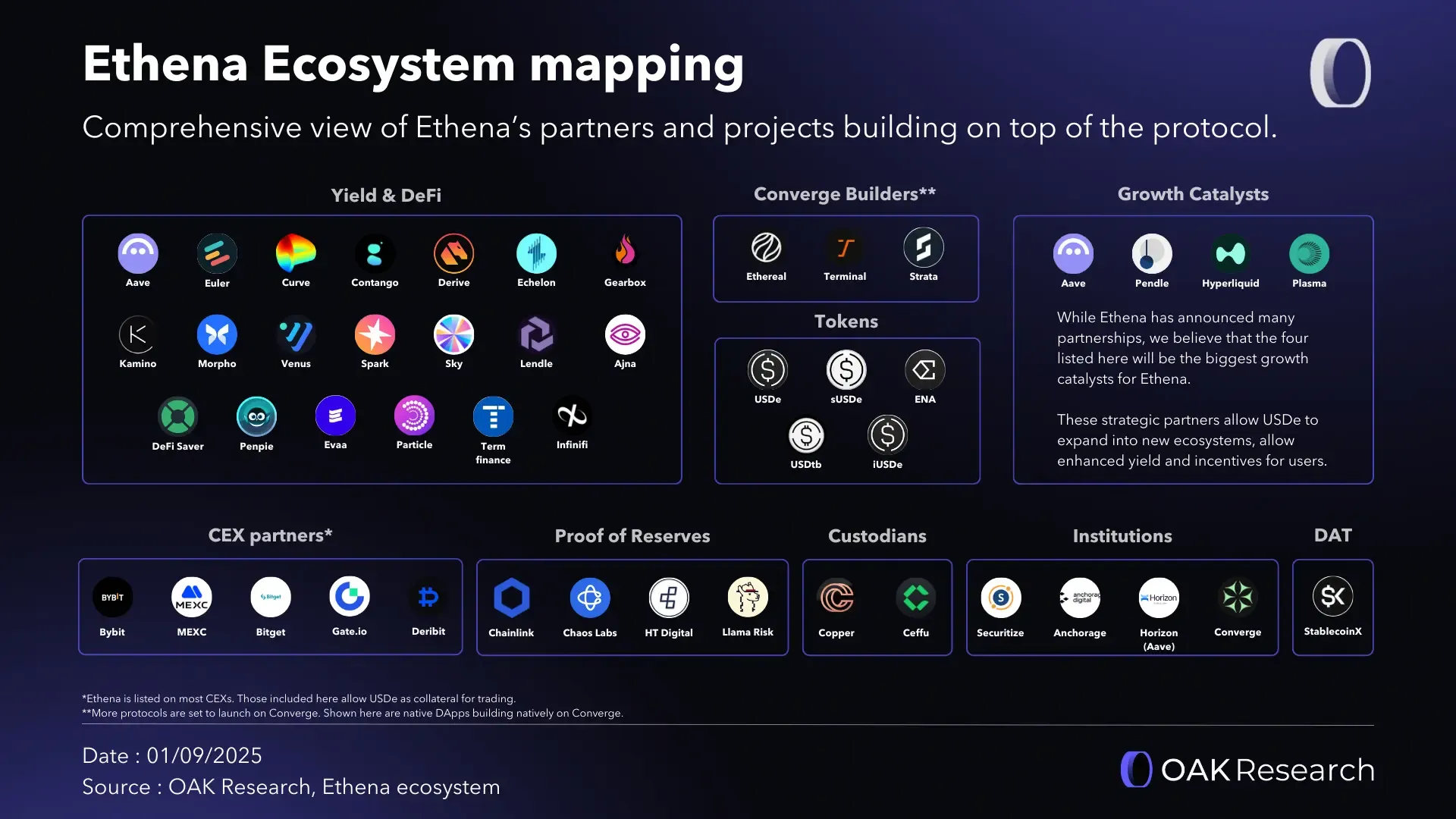
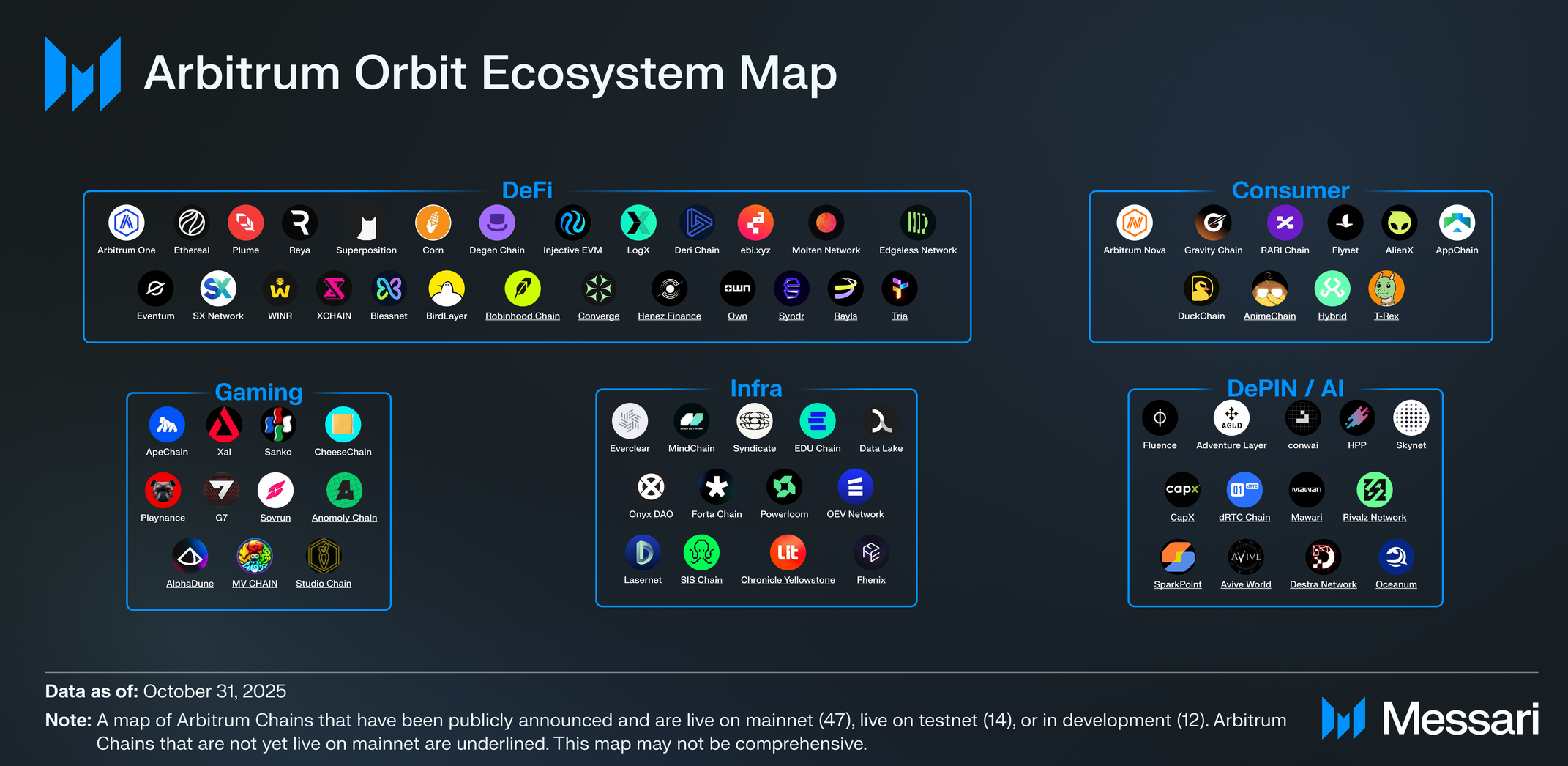
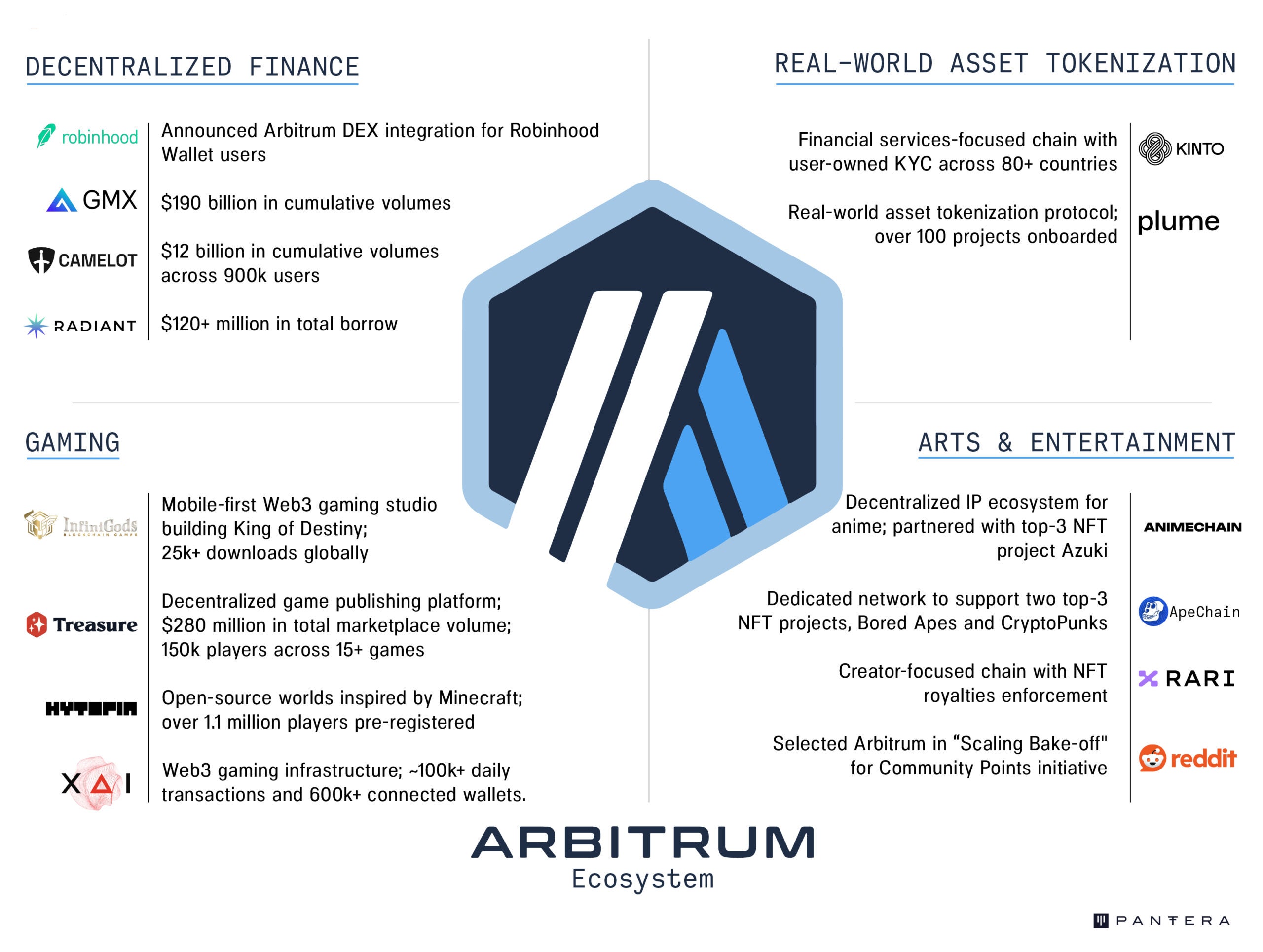
The Arbitrum ecosystem has grown rapidly, with the Arbitrum Foundation and various protocol teams working to map and improve this infrastructure src-serp-1. However, for traders, the key metric is not total value locked (TVL), but available depth at specific price levels. A platform with $100 million in TVL but concentrated in a single narrow price range is less useful than one with $20 million spread across a wider range.
When analyzing execution quality, focus on the order book depth charts provided by each protocol. Look for "thick" books that extend several percent away from the mid-price. Thin books indicate that even moderate-sized trades will move the market against you. This is particularly critical for limit orders, which may sit unfilled if the price moves too quickly through shallow liquidity zones.
Current market conditions for major pairs like BTC-USD are dynamic, and liquidity can shift rapidly. Use live data to assess real-time depth rather than relying on historical averages.
Execution strategies for high volatility
Trading perpetuals on Arbitrum during high volatility requires more than just directional conviction; it demands an understanding of how Layer 2 infrastructure interacts with market stress. While Arbitrum offers lower fees than Ethereum mainnet, execution quality can degrade when liquidity fragments across multiple protocols. To navigate this, you must treat liquidity depth as your primary risk metric, not just your entry price.
Before placing a large order, check the order book depth on your chosen protocol. High volatility often causes liquidity providers to pull orders, widening spreads. Look for protocols that maintain deep limit orders even during market swings to minimize slippage. Avoid protocols where the top-of-book liquidity is thin, as your market order may consume multiple price levels.
Perpetual DEXs rely on price oracles to mark positions and trigger liquidations. During extreme volatility, oracle updates may lag behind spot market prices. Check if the protocol uses a median-of-median or a more robust oracle system. A significant deviation between the oracle price and the spot price on a major exchange like Binance can signal a liquidation risk or an arbitrage opportunity, but it also indicates higher execution uncertainty.
In fast-moving markets, market orders are expensive. Use limit orders to specify your maximum acceptable price. This is particularly important on Arbitrum where transaction finality is fast but liquidity can be fragmented. If you must enter a market position, break it into smaller chunks to reduce the impact on the order book and avoid triggering adverse price movements against your own position.
Fixed stop-loss levels can be hunted during high volatility spikes. Instead, use volatility-adjusted stops, such as those based on Average True Range (ATR). This allows your position to breathe during normal market noise while still protecting you from catastrophic moves. Ensure your protocol supports trailing stops or automated exit strategies to execute these decisions without manual intervention.
High volatility often creates price discrepancies between different Arbitrum perp DEXs and spot markets. While arbitrageurs typically close these gaps quickly, you can benefit by entering positions on the protocol with the more favorable price. However, be cautious of "flash loan" attacks or oracle manipulation events that might create false price signals. Always verify the price source before acting on a perceived arbitrage.
The key to surviving high volatility on Arbitrum is preparation. By verifying liquidity, understanding oracle mechanics, and using disciplined order types, you can protect your capital and execute trades with greater precision. Always prioritize execution quality over speed in volatile conditions.
Common risks in perp DEX trading
Perpetual DEXs offer leverage, but they introduce unique structural risks that don't exist in traditional markets. Unlike centralized exchanges that act as the counterparty and manage risk internally, decentralized protocols rely on code, oracles, and market makers to function. Understanding these mechanics is essential before committing capital.
Oracle manipulation
Price oracles feed data to the protocol to determine mark prices and trigger liquidations. If an oracle relies on a single exchange or a pool with low liquidity, it can be manipulated. A "flash loan" attack can temporarily spike the price on a DEX, causing the oracle to report a false high or low. This allows attackers to liquidate positions unfairly or drain the protocol's funds. Always check if the protocol uses a decentralized oracle network like Chainlink or Pyth, which aggregates data from multiple sources to resist manipulation.
Smart contract vulnerabilities
Your funds are locked in smart contracts. If there is a bug in the code, hackers can exploit it. The Arbitrum ecosystem is robust, but no code is perfect. Look for protocols that have undergone rigorous audits by reputable firms like OpenZeppelin or Trail of Bits. Even with audits, bugs can slip through. The Arbitrum Ecosystem Guide emphasizes security-first evaluation, recommending users check for active bug bounty programs and time-locked upgrades as indicators of a protocol's commitment to safety.
Liquidation cascades
In highly leveraged markets, a sharp price move can trigger a cascade of liquidations. When one position is liquidated, the protocol sells the collateral, pushing the price further and triggering more liquidations. This can lead to "bad debt" where the protocol cannot cover losses, potentially affecting all users. Ensure the protocol has sufficient insurance funds or backstop liquidity providers to absorb these shocks. Avoid over-leveraging; a 10x position is far more vulnerable to volatility than a 2x position.
Frequently asked questions about Arbitrum perps
How do fees on Arbitrum perpetual DEXs compare to other chains? Arbitrum’s optimistic rollup architecture significantly reduces gas costs, often making it 10-20x cheaper than Ethereum L1. This allows protocols to offer tighter fees and better execution quality for traders without sacrificing security.
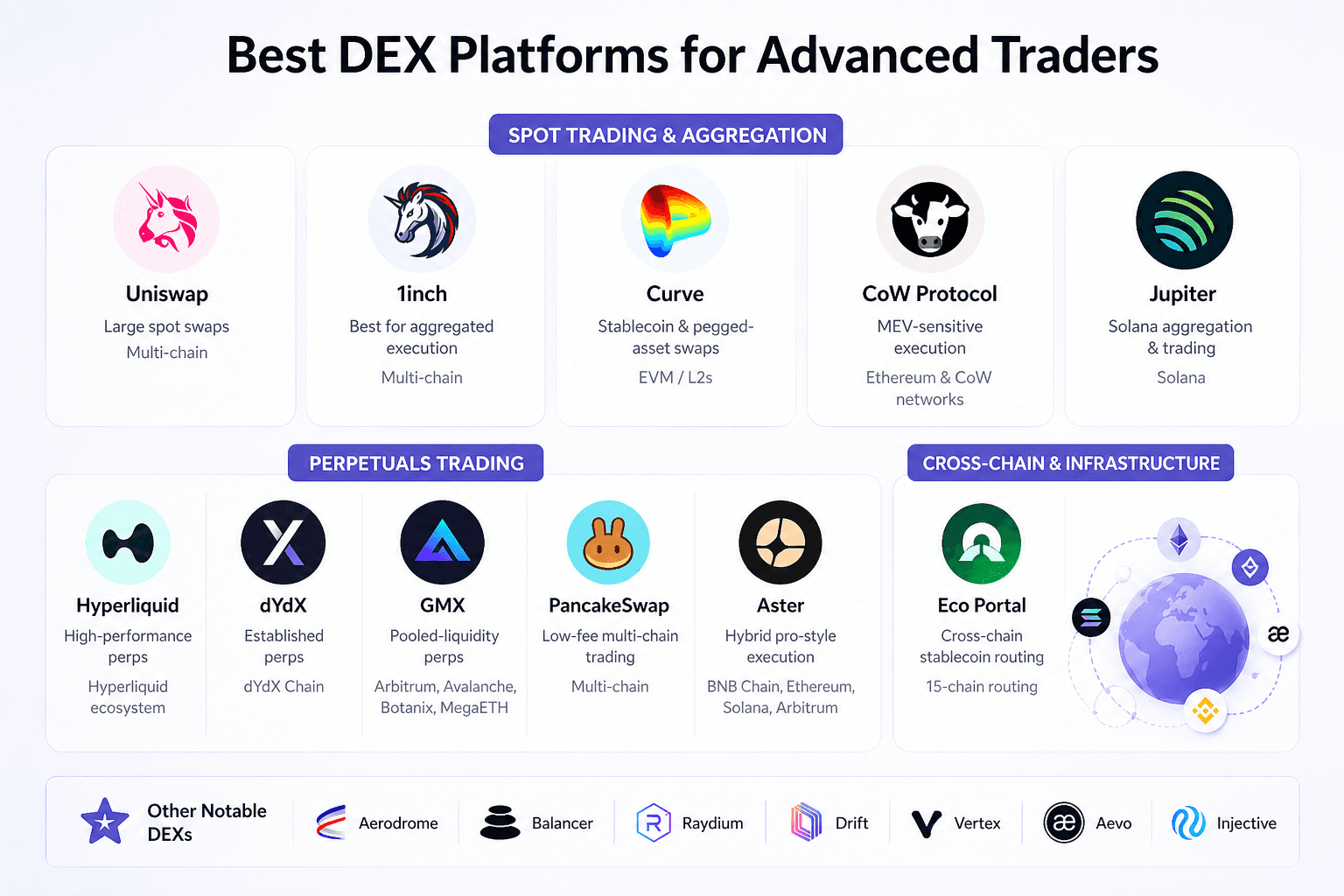
Which Arbitrum perp DEXs have the deepest liquidity? Leading platforms like GMX, Jupiter, and Hyperliquid (on Arbitrum) typically hold the highest open interest and trading volume. Deeper liquidity reduces slippage, ensuring your trades execute closer to the mark price during volatile market conditions.
Is it safe to use decentralized perpetual exchanges on Arbitrum? While Arbitrum provides a robust Layer 2 infrastructure, smart contract risk remains. Always review the protocol’s audit reports from firms like OpenZeppelin or Trail of Bits. Diversifying exposure across multiple audited protocols mitigates single-point failure risks.
How do I bridge assets to Arbitrum for trading? Use the official Arbitrum Bridge for the most secure and cost-effective transfers from Ethereum mainnet. Third-party bridges may offer speed but often carry higher smart contract risks. Always verify the bridge URL to avoid phishing sites.
No comments yet. Be the first to share your thoughts!