Mapping the Arbitrum perpetual DEX landscape
Arbitrum has become a primary hub for decentralized perpetual futures, attracting traders seeking lower fees and faster execution compared to Ethereum L1. The ecosystem is no longer a monolith; it is a fragmented network of specialized protocols, each with distinct liquidity models, oracle systems, and risk parameters. Navigating this space requires more than just knowing which exchange to use—it demands an understanding of how these protocols interact and where liquidity actually resides.
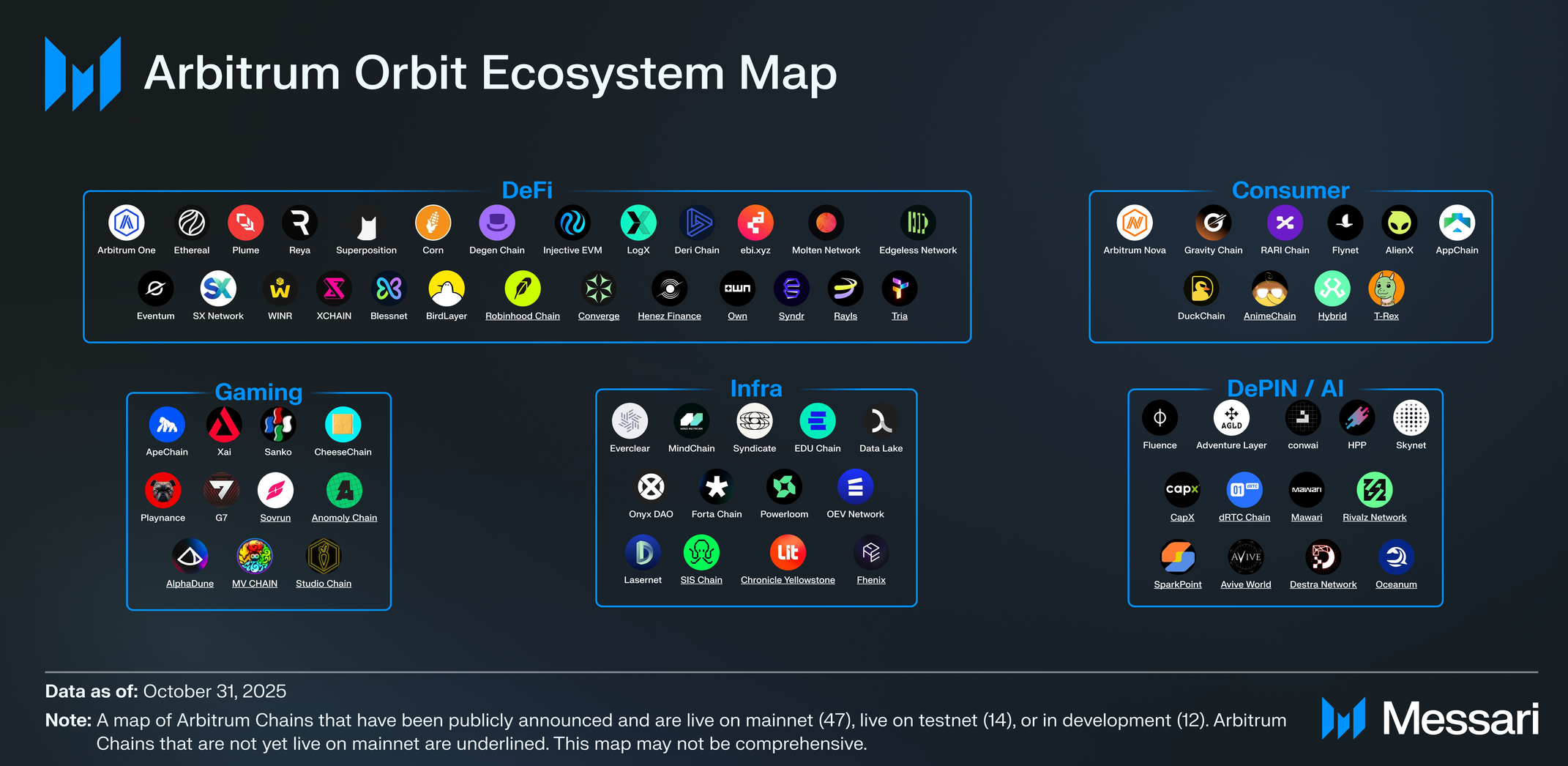
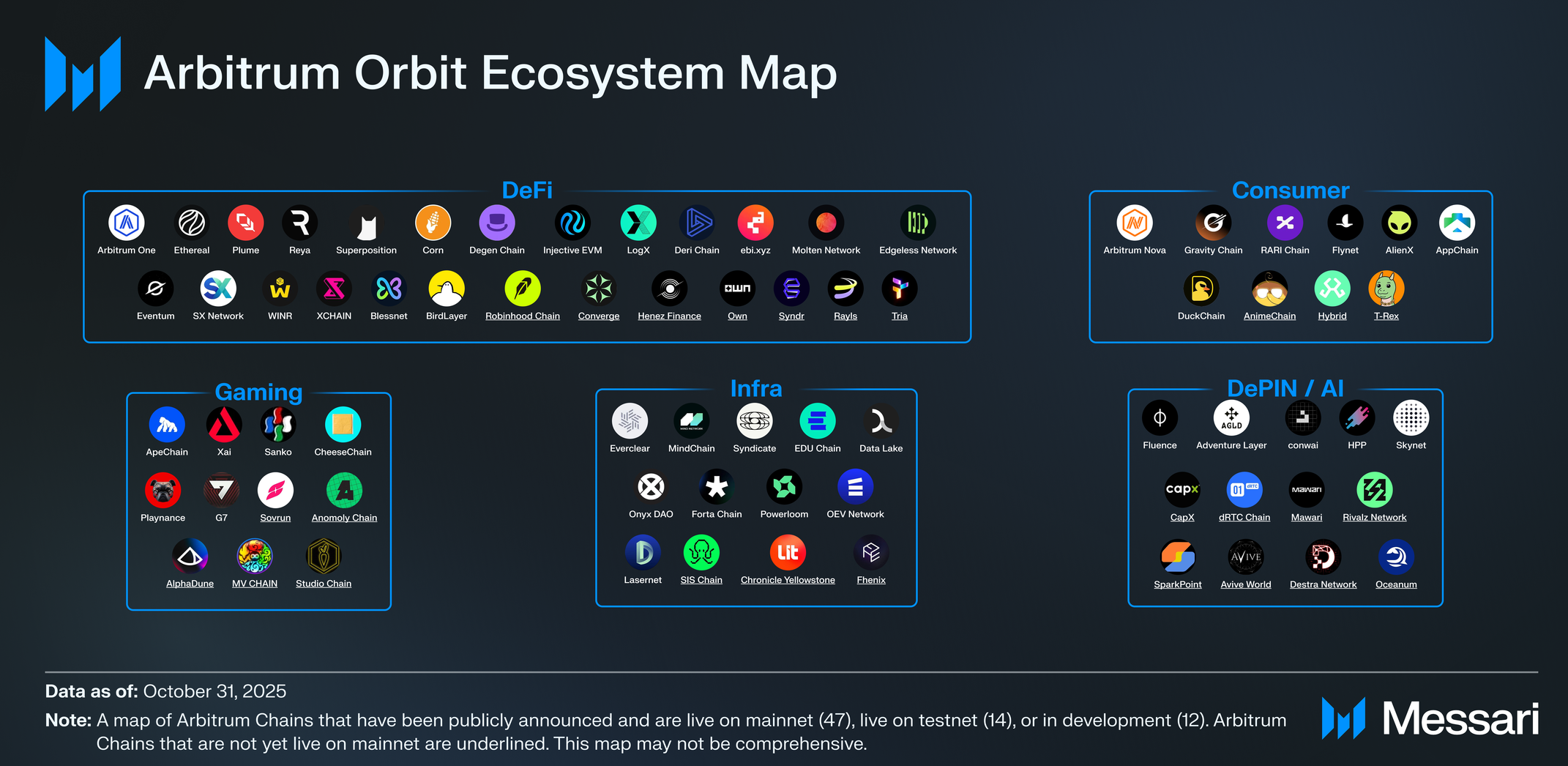
Ecosystem mapping in this context means visually and analytically charting the key entities: the DEXs, the liquidity providers, the oracle networks, and the bridge infrastructure that connects them. It is about identifying where the gaps are, which protocols are underweight in certain sectors, and how capital flows between them. For a trader, this map is not just academic; it is a risk management tool. Knowing that Protocol A relies on Oracle B, which is shared by Protocol C, helps you understand correlated liquidation risks during high volatility.
The current landscape is defined by a few dominant players and a growing number of niche entrants. Some focus on high-leverage trading for sophisticated users, while others prioritize simplicity and lower barriers to entry. The Arbitrum DAO and community forums actively discuss these dynamics, offering insights into where resources are being deployed and where the ecosystem is underweight.
To trade effectively here, you need to look beyond the surface-level APYs or fee structures. You need to see the underlying infrastructure. This guide breaks down the major players, their technical setups, and the strategic implications of choosing one over another. We will use live market data to anchor our analysis in current conditions, ensuring you are not making decisions based on stale information.
How Arbitrum Perp DEX Infrastructure Works
The backbone of the Arbitrum perpetuals ecosystem rests on two distinct architectural approaches: Virtual Automated Market Makers (VAMM) and hybrid orderbook models. Understanding this divide is essential for navigating where liquidity actually lives and how it moves. VAMM protocols like GMX rely on pooled reserves and index assets to price trades, while newer entrants like Mycelium and Rage Trade utilize limit-order matching engines to provide tighter spreads.
The choice between these models dictates the user experience. VAMMs offer high capital efficiency for large trades without slippage spikes, but they often charge higher funding rates during volatility. Orderbook models mimic traditional exchange experiences, offering granular control but requiring deeper liquidity pools to prevent front-running. This section breaks down the technical trade-offs between these infrastructure types.
VAMM vs. Orderbook: A Direct Comparison
The table below compares the core mechanics of the dominant infrastructure models found on Arbitrum. This comparison highlights differences in fee structures, slippage behavior, and capital efficiency, which are critical for determining the best platform for specific trading strategies.
| Model | Pricing Mechanism | Slippage Profile | Capital Efficiency | Best For |
|---|---|---|---|---|
| VAMM (e.g., GMX) | Index-based pool | Low for large sizes | High (external collateral) | Swing traders, arbitrageurs |
| Hybrid Orderbook (e.g., Mycelium) | Limit order matching | Variable (depth dependent) | Medium-High | Active day traders |
| Pure Orderbook (e.g., Mux) | Central limit order book | Zero if filled | Medium | Professional market makers |
Technical Trade-offs and Liquidity Depth
Liquidity depth varies significantly between these models. VAMMs generally attract more passive liquidity providers who earn fees from the index assets themselves, creating a stable base for large positions. However, this stability can come at the cost of slower price discovery during extreme market events. Orderbook models, by contrast, rely on active market makers to provide liquidity, which can lead to faster price discovery but higher risk of liquidity withdrawal during high volatility.
For traders, the infrastructure choice impacts execution strategy. VAMMs are ideal for users who prioritize predictable costs and large position sizes. Orderbook models suit those who need precise entry and exit points with minimal market impact. The Arbitrum ecosystem supports both, allowing traders to choose the infrastructure that aligns with their risk tolerance and trading frequency.
Leading protocols in the arbitrum perp dex ecosystem
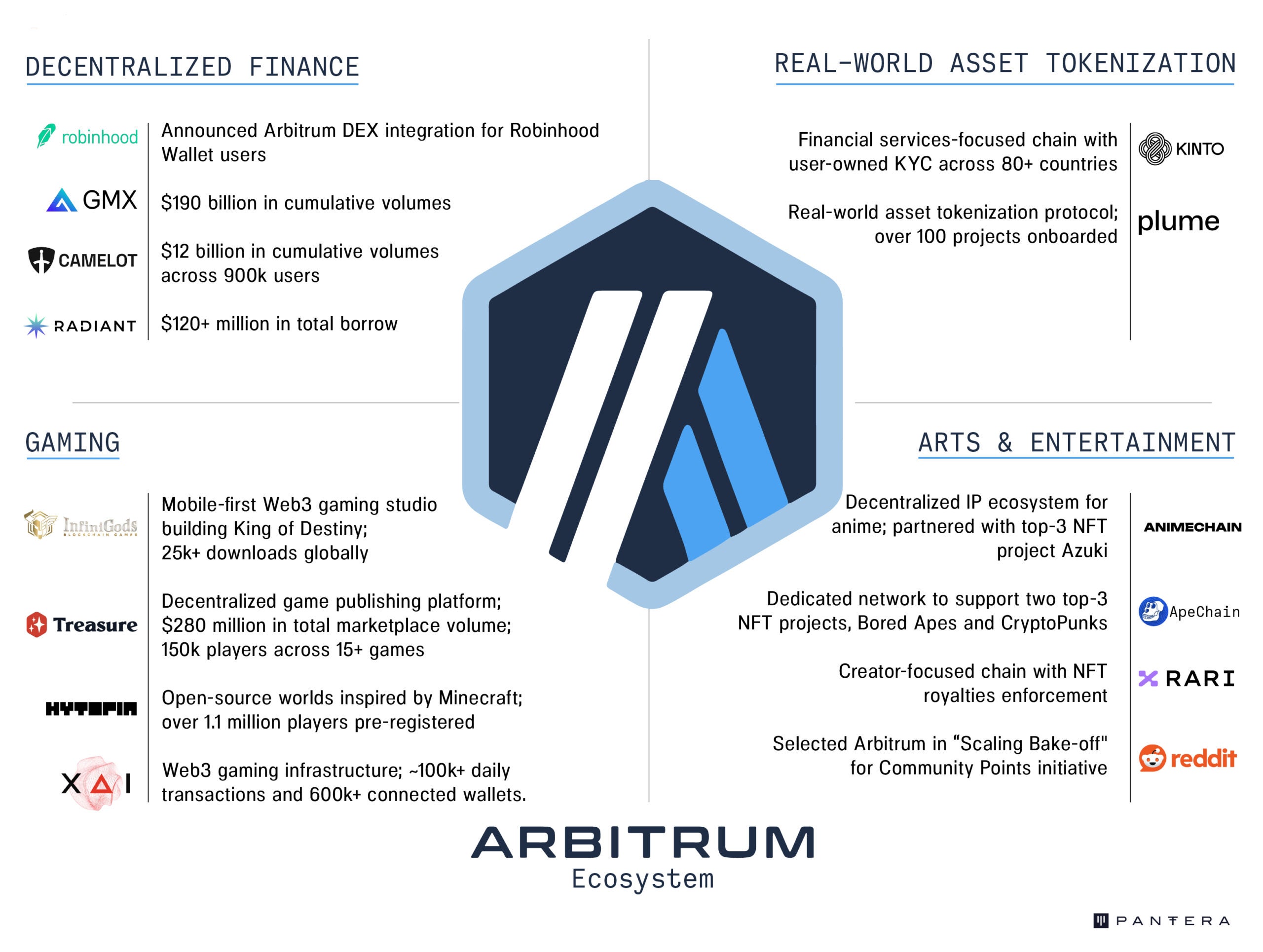
The Arbitrum derivatives landscape is dominated by a few key players, each carving out a specific niche for traders. GMX remains the volume leader, offering spot and perpetual futures through a unique multi-asset pool model that minimizes slippage. For traders seeking lower fees and a different liquidity mechanism, Mycelium provides a strong alternative with its modular infrastructure. Meanwhile, newer entrants like Rage Trade and Cap Finance are gaining traction by focusing on specific user experiences, such as simplified interfaces or novel risk management tools.
GMX: The Volume Leader
GMX dominates the Arbitrum perp DEX market with the highest trading volume and open interest. Its v2 architecture allows traders to use GLP or GM as collateral, providing deep liquidity and low fees. The protocol’s reliance on Chainlink price feeds ensures accurate oracle data, reducing the risk of manipulation. GMX is the go-to choice for high-volume traders who prioritize liquidity and stability.
Mycelium: The Modular Challenger
Mycelium offers a modular approach to perpetual trading, allowing for greater flexibility in collateral and risk management. By decoupling the execution layer from the settlement layer, Mycelium aims to provide faster trade execution and lower costs. This structure appeals to traders who want more control over their positions and are willing to explore newer, less centralized models.
Rage Trade and Cap Finance: Emerging Options
Rage Trade focuses on a user-friendly interface and competitive fees, targeting retail traders who find GMX’s interface too complex. Cap Finance introduces a novel approach to risk management, allowing users to hedge their positions more effectively. These protocols are still growing but are worth watching for traders looking for alternatives to the established giants.
Execution Strategy and Risk Management
Trading perpetual DEXs on Arbitrum requires a shift from passive holding to active risk management. Unlike centralized exchanges where liquidation engines are black boxes, on-chain protocols expose the mechanics of price feeds, funding rates, and collateral ratios. Understanding these components allows you to structure trades that survive volatility rather than getting caught in it.
Before entering a position, check the oracle’s deviation settings. Perpetual DEXs rely on these feeds to mark prices; if the oracle is too slow or too sensitive, you risk premature liquidation during brief market spikes. Look for protocols that use a median of multiple sources and have a healthy order book or pool depth to absorb your entry without excessive slippage.
Arbitrum’s low gas costs allow for more granular position sizing, but high leverage amplifies risk. Avoid maxing out leverage just because it is available. A common strategy is to use 2x-5x leverage on high-conviction trades and reserve higher multipliers only for short-term arbitrage or hedging, ensuring your maintenance margin buffer can handle sudden 5-10% moves.
Funding rates are the heartbeat of perp DEXs. When rates are extremely positive, longs are paying shorts, often signaling over-leveraged bullish sentiment. Conversely, negative rates suggest heavy shorting. Use these rates as a contrarian indicator: consider opening long positions when funding is deeply negative, anticipating a squeeze back to neutral.
On-chain trading lacks the automatic stop-losses of centralized platforms. You must use limit orders or external bots to manage exits. Define your invalidation point before you enter. If the market moves against you, exit immediately rather than hoping for a reversal. Similarly, take partial profits at predefined levels to lock in gains and reduce exposure.
No single protocol is immune to bugs or exploits. Spread your capital across two or three reputable Arbitrum perp DEXs. This diversification protects your portfolio from a single point of failure. Always check the protocol’s audit history and insurance fund size before committing significant capital.
The chart above illustrates Bitcoin’s price action with volume and RSI indicators, providing context for the volatility you will face on perp DEXs. Use such tools to identify overbought or oversold conditions before entering trades, aligning your execution with broader market momentum rather than fighting it.
Frequently asked questions about Arbitrum perp DEXs
What is the Arbitrum DeFi ecosystem? Arbitrum is a Layer 2 scaling solution for Ethereum that hosts a growing decentralized finance (DeFi) ecosystem. This ecosystem leverages decentralized networks to transform traditional financial products into trustless and transparent protocols that operate without intermediaries. The infrastructure supports everything from lending and borrowing to complex derivatives trading.
What does ecosystem mapping mean in DeFi? Ecosystem mapping is the process of visually representing the key entities within a system and their interconnections. In the context of Arbitrum, this involves identifying organizations, protocols, and stakeholders such as liquidity providers, traders, and infrastructure layers. It helps users understand how capital flows between different protocols and where risks or opportunities lie.
How do I perform ecosystem mapping for perp DEXs? Start by identifying all players involved in the service supply and delivery. Place the user or trader at the center of your worksheet, then position the other players—such as oracle providers, liquidity pools, and settlement layers—in the space around them. Step back to observe the map, then highlight pain points or gaps in the flow. This visual approach clarifies dependencies and helps you assess the robustness of the infrastructure you are interacting with.
No comments yet. Be the first to share your thoughts!