Mapping the Arbitrum Perp DEX Landscape
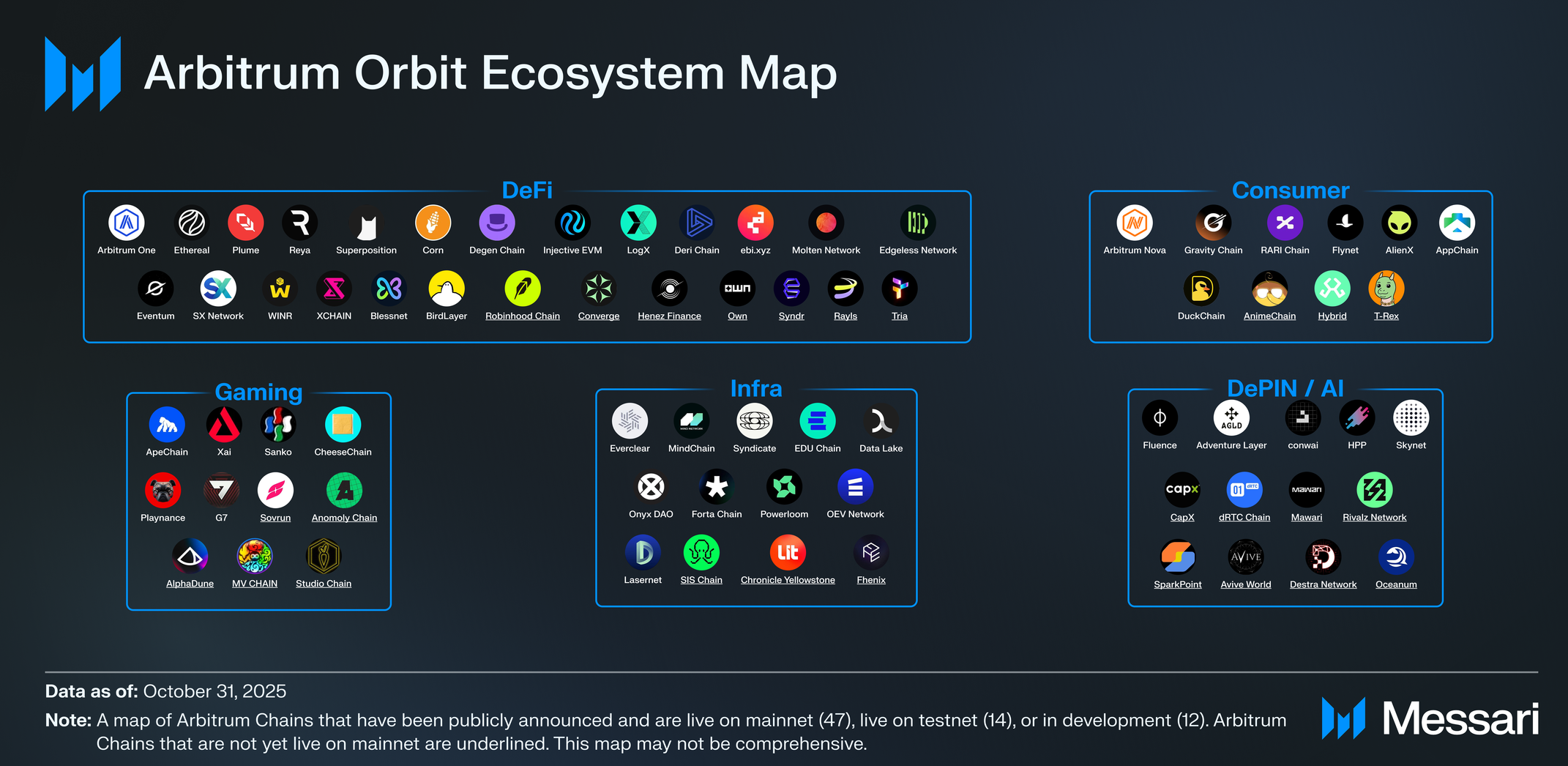
The Arbitrum derivatives market has moved past the era of simple leverage tools. What began as a way to trade with borrowed funds has evolved into a complex, multi-protocol ecosystem where liquidity is fragmented across several specialized platforms. This shift isn't just about volume; it's about infrastructure. Traders now navigate a landscape where different protocols handle different aspects of risk, settlement, and oracle data.
This fragmentation creates both opportunities and risks. On one hand, specialized protocols can offer better pricing and deeper liquidity for specific assets. On the other hand, it means that a failure or exploit in one part of the chain can have ripple effects. The market is no longer a single monolith but a collection of interconnected systems, each with its own strengths and vulnerabilities. Understanding this map is essential for anyone looking to trade or provide liquidity on Arbitrum.
The total value locked (TVL) in these perpetual DEX protocols reflects this complexity. While exact numbers fluctuate daily, the aggregate TVL across major platforms like GMX, Hyperliquid (bridged), and others demonstrates significant capital commitment. This capital is not idle; it is actively used to back positions, absorb volatility, and facilitate trades. The distribution of this TVL among protocols indicates where traders feel most secure and where liquidity is deepest.
Top Arbitrum Perp DEX Platforms Ranked
Arbitrum has become the go-to network for decentralized perpetual futures, offering the speed and low fees needed for active trading. But with dozens of platforms emerging, choosing the right one depends on your specific needs: maximum leverage, lowest fees, or deepest liquidity.
Below, we break down the leading perp DEXs on Arbitrum. We prioritize platforms with verified security audits, transparent fee structures, and sufficient liquidity to handle large orders without excessive slippage. Trading perpetuals involves significant risk, including the potential loss of your entire position, so always start with small sizes and understand the mechanics of liquidation before going live.
GMX
GMX remains the benchmark for on-chain perpetuals. It uses a unique multi-asset pool model where liquidity providers earn fees from both open interest and trading volume. This structure has historically provided deep liquidity for major pairs like ETH and BTC, making it ideal for traders who prioritize stability over exotic altcoin markets. GMX v2 has further improved capital efficiency, allowing for more competitive funding rates.
ApeX Omni
ApeX Omni stands out for its support of high leverage and a unified USDT collateral pool. By leveraging zk-proof settlement, it offers a hybrid experience that feels faster than traditional on-chain transactions while maintaining security. It is particularly popular among traders seeking up to 100x leverage on a wide range of assets, though the higher leverage increases the risk of rapid liquidation.
Gains Network
Gains Network (gTrade) is a favorite for traders who want to use stablecoins as both collateral and trading pairs. It offers a simplified interface that mimics centralized exchanges, making it accessible to newcomers. The platform supports a wide variety of assets, including forex and commodities, alongside crypto pairs, all settled on-chain with transparent pricing.
dYdX
While originally built on its own Cosmos-based chain, dYdX has expanded its reach to Arbitrum, bringing its institutional-grade order book and robust risk management systems to the network. It is best suited for experienced traders who require precise limit orders and advanced charting tools. Its deep liquidity and low slippage make it a top choice for high-volume trading.
Hyperliquid
Hyperliquid has gained traction for its sub-second finality and high-performance order matching engine. Although it operates its own L1, its integration with Arbitrum allows users to bridge assets easily and trade with minimal friction. It is particularly strong for traders who prioritize speed and low latency, offering a trading experience that closely mirrors centralized exchanges.
Quick Comparison
| Platform | Max Leverage | Primary Collateral | Best For |
|---|---|---|---|
| GMX | 50x | ETH, BTC, Stablecoins | Deep liquidity & stability |
| ApeX Omni | 100x | USDT | High leverage & speed |
| Gains Network | 100x | USDC, DAI | Stablecoin trading & forex |
| dYdX | 50x | USDC | Advanced order types |
| Hyperliquid | 50x | USDC | Low latency trading |


As an Amazon Associate, we may earn from qualifying purchases.
Infrastructure and data tools for traders
Mapping the Arbitrum perpetual DEX ecosystem requires more than just watching price charts. You need to understand the plumbing that keeps these high-leverage markets running. Without the right backend tools, you are trading blind. This section breaks down the essential infrastructure and analytics platforms that professional traders use to navigate volatility and manage risk.
Real-time data and on-chain visibility
The foundation of any good trade is accurate, real-time data. For Arbitrum perp DEXs, this means monitoring liquidity pools and funding rates across multiple protocols. Platforms like Dune Analytics allow you to query on-chain data directly. You can build or use existing dashboards to track volume, open interest, and whale movements. This visibility helps you spot trends before they appear on standard exchange interfaces.
For a broader market overview, DefiLlama provides essential metrics on decentralized exchange volume and total value locked (TVL). These tools don't just show you what happened; they give you the context to understand why. By cross-referencing data from Dune and DefiLlama, you can verify if a price move is supported by genuine trading activity or if it's just noise.
Technical analysis and market context
While on-chain data tells you what is happening, technical analysis helps you predict where the market might go. Integrating a TechnicalChart into your workflow allows you to overlay Arbitrum's native token price with perp DEX funding rates. This combination reveals sentiment shifts. For example, if Arb/USD is rising but funding rates are extremely negative, it suggests traders are betting against the market, which can lead to sharp reversals.
Using a PriceWidget for live quotes ensures you are always trading with current information. Static price data is useless in a market that moves in seconds. These widgets provide the immediate feedback loop necessary for day trading or scalping strategies on high-leverage platforms.
Community intelligence and sentiment
No data tool replaces the context provided by the community. Reddit threads and Discord channels often discuss protocol upgrades, bug fixes, or liquidity issues before they hit the news. Monitoring these sources helps you avoid protocols with hidden risks or upcoming maintenance windows. While not a substitute for hard data, community sentiment can be a leading indicator for short-term volatility.
By combining on-chain analytics, technical charts, and community intelligence, you build a robust infrastructure for trading. This multi-layered approach reduces the risk of unexpected losses and helps you make informed decisions in a fast-moving market.
Execution Strategy and Risk Management
Trading perpetuals on Arbitrum offers speed and low fees, but it doesn’t remove the risk of losing your capital. The ecosystem is still maturing, and smart contract vulnerabilities or liquidity gaps can lead to significant losses. This section outlines a concrete execution strategy to help you navigate these tools safely.
Before opening a position, check the order book depth. Thin liquidity leads to high slippage, meaning your trade executes at a worse price than expected. Look for platforms with deep pools for your specific asset pair to minimize this impact.

Leverage amplifies both gains and losses. On DEXs, liquidation can happen instantly if the market moves against you. Start with low leverage (2x-5x) to understand how the platform’s liquidation engine works before increasing your exposure.
Check if the protocol has undergone independent security audits. Reputable platforms like GMX or Camelot often publish audit reports. If no audit exists, assume the contract has vulnerabilities. Never deposit more than you can afford to lose.
Perpetual DEXs rely on oracles for price data. If the oracle lags or fails, you might be liquidated unfairly. Choose platforms that use decentralized oracle networks (like Chainlink) rather than single-source price feeds to reduce this risk.


As an Amazon Associate, we may earn from qualifying purchases.
Essential Hardware for Secure Trading
DeFi trading on Arbitrum moves fast, but leverage cuts both ways. A single compromised private key can drain your positions in seconds. Software wallets are convenient, but they live on internet-connected devices that are vulnerable to malware and phishing. For anyone holding significant value or using leverage, a hardware wallet is non-negotiable insurance.
Hardware wallets keep your private keys offline in a secure chip. When you need to sign a transaction on a DEX like GMX or Camelot, the device itself signs the data and only sends the signature to your computer. Your keys never leave the device. This simple separation prevents remote attackers from stealing your assets, even if your main computer is infected.
Choosing the right device depends on your budget and which tokens you trade. Most major wallets support Arbitrum, but compatibility with specific ERC-20 tokens can vary. Stick to established brands that have proven security track records rather than obscure new entrants.


As an Amazon Associate, we may earn from qualifying purchases.
No comments yet. Be the first to share your thoughts!