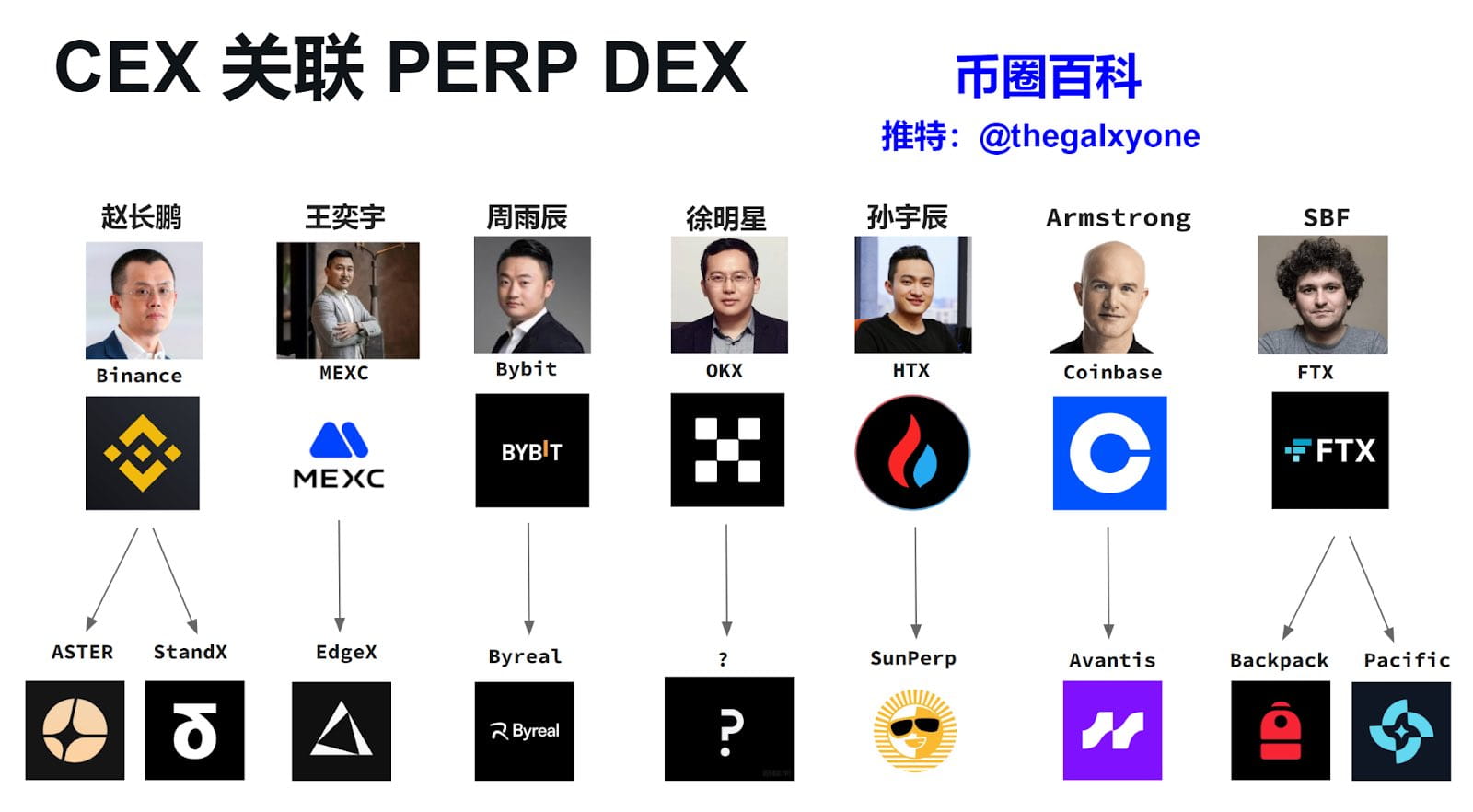
The Arbitrum Perp DEX Landscape
Arbitrum has evolved from a single-protocol dominance model into a fragmented, multi-protocol ecosystem for perpetual DEXs. This shift hasn't just increased choice; it has diversified liquidity pools and risk architectures across the network. Today, the landscape is defined by varying degrees of centralization, oracle dependencies, and capital efficiency models.
The move away from a monolithic leader means traders must now evaluate infrastructure depth alongside trading fees. Protocols like GMX, Hyperliquid (bridged), and newer entrants offer distinct trade-offs between slippage, funding rate stability, and counterparty risk. Understanding these nuances is critical for navigating the current high-stakes environment.
How Arbitrum Perp DEXs Stack Up
Trading perpetuals on Arbitrum isn't one-size-fits-all. The infrastructure under the hood dictates your slippage, funding rates, and execution speed. Some platforms rely on automated market makers (AMMs) for deep liquidity, while others use limit-order books for precision. Understanding these differences is critical before placing high-stakes trades.
The ecosystem has matured beyond simple clones. Leading protocols now offer hybrid models, combining the capital efficiency of AMMs with the price discovery of order books. This section breaks down the technical architecture, fee structures, and liquidity depth of the top contenders.
GMX: The Liquidity Backbone
GMX remains the heavyweight champion of Arbitrum perpetuals. Its V2 and V3 models rely on liquidity pools (GLP/GM) rather than traditional order books. This means you are trading against a pool of assets, which provides deep liquidity for large orders but can lead to higher slippage during extreme volatility. Fees are straightforward: 0.1% on opening and closing, plus funding rates that adjust to market balance.
Aevo: Precision for Active Traders
Aevo runs a native orderbook on Arbitrum. This architecture appeals to traders who want limit orders and precise price execution. Unlike GMX, Aevo matches buyers and sellers directly, reducing counterparty risk but requiring sufficient order book depth to avoid slippage. Fees vary by maker/taker status, rewarding liquidity providers with lower costs.
Hyperliquid and Vertex: Hybrid and High-Speed Options
Hyperliquid operates its own L1 chain for maximum speed, syncing with Arbitrum. It uses a pure orderbook model, offering low latency for high-frequency strategies. Vertex, conversely, uses a hybrid approach, combining limit orders with an AMM for stability. Both offer up to 50x leverage, but their fee structures differ significantly, so check the latest tiers on their respective docs.
Choosing the Right Model
Your choice depends on your trading style. If you need deep liquidity and simplicity, GMX is the default. If you rely on technical analysis and limit orders, Aevo or Vertex offer better execution. Always consider the fee impact on your strategy; high-frequency traders should prioritize low maker fees, while swing traders might prioritize depth over minor fee differences.
Liquidity strategies and capital efficiency
Liquidity on Arbitrum perp DEXes operates less like a traditional bank and more like a high-stakes casino floor where the house (the protocol) and the sharks (market makers) share the risk. For liquidity providers (LPs), capital efficiency is the primary metric, but it comes with asymmetric risks. Unlike spot AMMs where impermanent loss is the main threat, perp DEXs expose LPs to adverse selection and funding rate volatility. When a market moves sharply, informed traders drain liquidity, leaving LPs holding the bag.
Capital efficiency here is driven by concentrated liquidity and isolated pools. Protocols like GMX or Hyperliquid (if expanding) allow LPs to target specific price ranges, boosting yields but requiring active management. If the price leaves your range, you stop earning fees and may be left with unwanted exposure. This is not "set and forget" capital; it demands constant rebalancing or automated bots.
Incentive programs often mask underlying yield weakness. Many protocols offer inflated APYs in their native tokens to bootstrap liquidity. These tokens are highly volatile and often subject to vesting schedules. Relying on token emissions as primary income is risky; the real yield comes from trading fees and funding rates. If trading volume dries up, the APY collapses.
"Liquidity fragmentation is the silent killer of perp DEXs. Without deep, unified pools, slippage eats into trader confidence, and LPs get whipsawed by thin order books." — Arbitrum Foundation Ecosystem Report
Social sentiment reflects this tension. While traders love the low fees, LPs are cautious about the complexity of risk management.
Reddit discussions often highlight the pain of impermanent loss in perp contexts, where the "loss" isn't just token value but opportunity cost during volatile swings.
The key takeaway: Capital efficiency is not free. It requires sophisticated risk management. LPs must understand the protocol's liquidation mechanism, funding rate model, and insurance fund dynamics. If you're not actively managing delta, you're not a liquidity provider; you're a speculative trader with a different label.
Execution strategies for traders
Arbitrum’s speed is an asset, but it is not a shield against market volatility or oracle lag. Effective execution on perp DEXs requires a disciplined approach to slippage and timing. You are trading against the protocol’s liquidity pools and the underlying asset’s spot price, so your strategy must account for both.
1. Manage Slippage with Precision
Slippage is the difference between the expected price of a trade and the price at which the trade is executed. On perp DEXs, this can be amplified by low liquidity or high volatility. Always set a slippage tolerance that reflects the asset’s volatility. For major pairs like ETH-USD, a tight tolerance is often safe. For smaller altcoins, a wider tolerance prevents failed transactions, but increases the risk of a poor fill.
2. Monitor Oracle Latency
Perp DEXs rely on price oracles to determine mark prices and trigger liquidations. While Arbitrum is fast, oracle updates are not instantaneous. A delay in price feeds can create arbitrage opportunities, but it also exposes you to liquidation risk if the market moves against your position during the lag. Check the oracle’s update frequency on the protocol’s dashboard before entering a high-leverage trade.
3. Execute During Low Volatility
Market volatility increases slippage and oracle latency. Executing trades during periods of high volatility, such as major macroeconomic announcements, can lead to unexpected losses. Wait for the market to stabilize before entering or exiting large positions. This simple timing adjustment can significantly improve your fill prices and reduce the risk of liquidation.
4. Use Limit Orders When Possible
Limit orders allow you to specify the exact price at which you want to enter or exit a trade. This eliminates slippage entirely, as the trade only executes if the market reaches your price. While market orders offer speed, limit orders offer price certainty. Use limit orders for most trades, and reserve market orders for situations where speed is critical, such as escaping a liquidation event.
5. Diversify Across Protocols
No single perp DEX on Arbitrum has deep liquidity for every asset. Diversifying your execution across multiple protocols reduces the risk of poor fills due to shallow order books. It also spreads your counterparty risk. If one protocol experiences an outage or oracle failure, your positions on other protocols remain safe.
6. Leverage Cross-Protocol Arbitrage
Price discrepancies can arise between perp DEXs and spot markets, or between different perp DEXs themselves. These arbitrage opportunities are fleeting, requiring fast execution and low latency. Use limit orders to capture these spreads without risking slippage. Always account for gas fees, which, while low on Arbitrum, can eat into small arbitrage profits.
7. Monitor Protocol Health
Before executing large trades, check the protocol’s health status. Look for any ongoing audits, security incidents, or liquidity issues. A protocol with low total value locked (TVL) may have shallow order books, leading to higher slippage. Stick to protocols with strong security track records and deep liquidity for the most reliable execution.
Community sentiment and risk factors
The Arbitrum perp DEX landscape is moving fast, but speed often masks underlying fragility. While the ecosystem has matured, the tension between yield-seeking traders and security-conscious developers remains a defining characteristic. Understanding where the community stands—and where the code breaks—is essential before committing capital.
What traders are saying
The conversation on social platforms reveals a mix of reliance on these platforms for leverage and growing anxiety over infrastructure stability. Users frequently cite low fees and deep liquidity as primary drivers, yet recent threads highlight a pattern of "ghost liquidity" during high-volatility events. Traders are increasingly cautious, preferring platforms with transparent proof-of-reserves and audited smart contracts over those promising the highest leverage ratios.
The security reality
Smart contract vulnerabilities remain the single biggest threat in this sector. Unlike traditional finance, DeFi exploits are often irreversible. The community sentiment is clear: audits are necessary but not sufficient. Traders are looking for bug bounty programs, time-locks on governance, and transparent incident response plans. A single unchecked vulnerability can drain a protocol’s liquidity pool in seconds, leaving users with worthless tokens.
Always verify that a perp DEX’s smart contracts have been audited by reputable firms like OpenZeppelin or Trail of Bits. Look for active bug bounty programs on Immunefi. Never assume a platform is safe just because it has high Total Value Locked (TVL).
Market volatility and regulatory shadows
Beyond code, market volatility poses a significant risk. Perp DEXs rely on accurate price feeds (oracles). If an oracle fails to update during a flash crash, liquidations can occur at incorrect prices, causing user losses and eroding trust. In addition, regulatory scrutiny is intensifying globally. The SEC and other bodies are increasingly targeting decentralized exchanges that facilitate unregistered securities trading. This creates a compliance risk that could force protocols to restrict access or alter their tokenomics abruptly.
"The goal is not just to scale transactions, but to scale trust. We are building the infrastructure where the rules are clear, and the code is the law."
Key Takeaways
- Security First: Prioritize platforms with multiple audits and active bug bounties.
- Liquidity Checks: Avoid platforms with thin order books that may suffer from slippage during volatility.
- Regulatory Awareness: Stay informed about changing regulations that could impact access or token utility.
- Community Trust: Pay attention to Reddit and Twitter discussions for real-time feedback on platform reliability.
No comments yet. Be the first to share your thoughts!