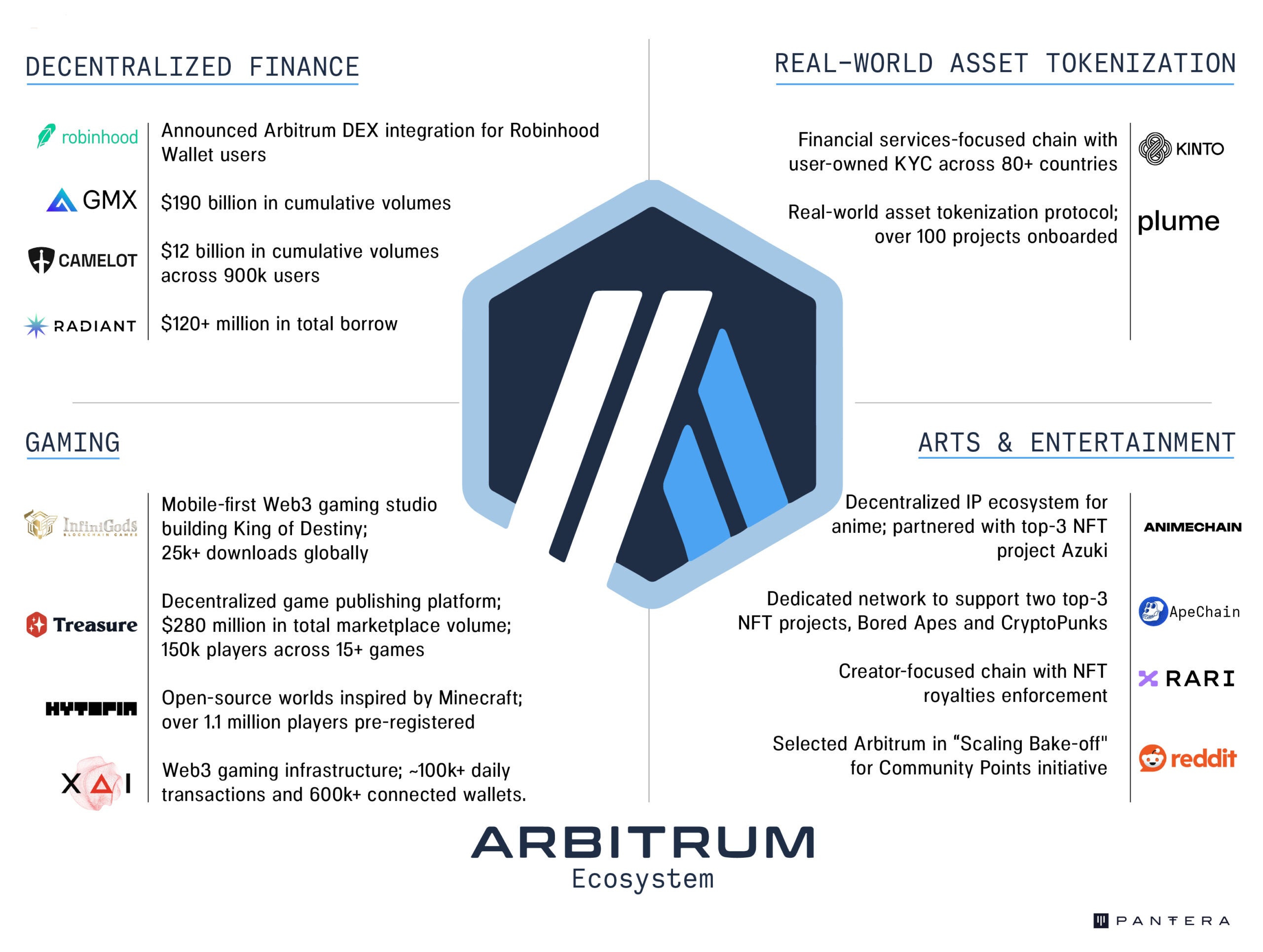
Arbitrum Perp DEX Ecosystem Mapping Guide
The Arbitrum perpetual DEX landscape in 2026 has shifted from experimental beta to a mature, high-volume infrastructure layer. This analysis identifies which protocols deliver on the promise of low-latency, capital-efficient trading by examining their underlying architecture rather than just surface-level metrics. For traders, execution quality depends heavily on specific liquidity pools and oracle mechanisms.
Mapping this ecosystem requires looking beyond simple TVL numbers. We examine how each DEX handles funding rates, order book depth, and price feed integrity. These structural details determine slippage and liquidation risk during high-volatility events. Understanding these mechanics is essential for long-term profitability on Layer 2.
To contextualize broader market health, we look at the native asset's performance. ARB's price action often correlates with ecosystem activity, serving as a barometer for developer and trader confidence.
This guide dissects the top contenders, providing a clear view of where liquidity resides and how each protocol stacks up against competitors. We focus on hard data and verified infrastructure metrics to help you navigate this complex space with precision.
Liquidity fragmentation across protocols
Liquidity on Arbitrum isn’t a single deep pool; it’s a collection of isolated reservoirs. Each major perp DEX operates its own liquidity layer, meaning capital is fragmented rather than aggregated. This structure directly impacts trading: when you place a market order, you’re tapping into the specific depth of that protocol’s vaults or oracle-backed pools, not a unified order book.
The result is uneven slippage. A large trade on a protocol with thin liquidity will suffer significant price impact, while the same trade on a deeper venue might execute near the mid-price. Fill rates vary similarly. Some protocols rely on centralized market makers to provide quotes, creating bottlenecks during high volatility. Others use automated market maker (AMM) models that can stale or fail when oracle prices lag spot markets.
To understand where your capital is safest, you need to see how volume and total value locked (TVL) are distributed. The following comparison highlights the major players in the Arbitrum Perp DEX ecosystem.
| Protocol | TVL (Est.) | 24h Volume | Liquidity Model |
|---|---|---|---|
| GMX | $450M+ | $1.2B+ | GLP/GLSA Pools |
| Gains Network | $180M+ | $350M+ | Vault-based |
| Hyperliquid (Cross-chain) | $300M+ | $800M+ | L2 Orderbook |
| Aevo | $120M+ | $200M+ | Options/Perps |
This fragmentation means you can’t assume liquidity is fungible across platforms. A protocol might look huge in TVL but have poor spot depth for altcoin perps. Always check the specific asset’s order book or pool depth before entering a large position. The chart below shows recent price action for ETH, a primary asset across these venues. Note how volume spikes often correlate with liquidity shifts between protocols.
Infrastructure and execution latency
When volatility spikes, the difference between a filled order and a failed transaction often comes down to backend plumbing. In the Arbitrum Perp DEX ecosystem, execution speed isn't just about user interface; it's about how data moves from the sequencer to the oracle, and finally to the settlement layer. Understanding these infrastructure components explains why some platforms handle stress better than others during market crashes or sudden pumps.
Sequencer proximity and ordering
Arbitrum’s optimistic rollup architecture relies on a centralized sequencer for high-throughput ordering. For perpetual DEXs, this means trade execution happens off-chain first, reducing latency compared to fully on-chain models. However, if the sequencer experiences congestion or downtime, order placement can stall. Most major Arbitrum perp protocols operate close to the sequencer node to minimize this risk, ensuring that limit orders and market orders are processed in near real-time. This proximity is critical for high-frequency strategies where milliseconds matter.
Oracle data freshness
Price feeds are the lifeblood of perpetual contracts. If an oracle lags, traders can be liquidated unfairly or miss entry points. Arbitrum-based perp DEXs typically use hybrid oracle systems, combining on-chain data with off-chain updates. The key metric here is latency: how quickly does the price update reflect the current market? Protocols that integrate multiple oracle sources, such as Chainlink or Pyth, tend to offer more robust price discovery during volatile periods. A stale oracle can lead to significant slippage or even protocol insolvency in extreme cases, making data reliability a primary concern for risk-averse traders.
Settlement layer reliability
While execution is fast, settlement is final. Most Arbitrum perp DEXs settle trades on L1 Ethereum, which introduces a delay but ensures maximum security. The gap between execution and finality can be a vulnerability if liquidity providers pull funds during this window. Some newer protocols are experimenting with L2-native settlement to reduce this gap, but the trade-off is often lower security guarantees. For most traders, the balance between speed and finality is acceptable, but understanding this trade-off is essential for managing counterparty risk.
The chart above visualizes recent ARB/USD volatility. Notice the volume spikes during high-volatility periods; these are the moments when infrastructure resilience is tested. Protocols that maintain stable execution speeds during these spikes demonstrate superior backend engineering. For traders, this means lower slippage and more predictable outcomes, even when the market is chaotic. Always check if a platform has experienced outages during previous volatility events before committing significant capital.
Navigating fragmented liquidity
Trading on the Arbitrum Perp DEX ecosystem means operating in a market where liquidity is split across multiple protocols. Unlike centralized exchanges that pool order books, decentralized perpetuals often scatter depth among platforms like GMX, Hyperliquid (on L2), and others. This fragmentation creates opportunities for better pricing but introduces routing risks. You need a strategy that accounts for slippage, oracle latency, and the specific mechanics of each venue.
1. Check depth and oracle status before entering
Before placing any trade, verify the liquidity depth of your target pair on the specific DEX. Thin order books lead to high slippage, especially during volatile periods. Additionally, check the oracle status. If an oracle is delayed or flagged as stale, your position might be at risk of unfair liquidation or unable to open. Use a pre-trade checklist to confirm that the protocol’s health metrics are green.
2. Route orders to minimize slippage
Don’t assume the first DEX you check has the best price. Fragmented liquidity means you might get a significantly better execution on a secondary platform. Use aggregation tools or manually compare the implied price across major Arbitrum perpetuals. If you are trading a less common pair, consider splitting your order or choosing a platform with deeper pools for that specific asset. Routing matters more on DEXs than on CEXs because there is no central limit order book to absorb your trade.
3. Use limit orders to control entry
Market orders on fragmented DEXs can be expensive due to varying fee structures and slippage. Whenever possible, use limit orders to enter positions at your desired price. This gives you control over your entry cost and avoids paying premium fees for immediate execution. If you must use a market order, be aware that the “price” shown might not reflect the final execution price after slippage is applied.
4. Monitor real-time price action
Keep an eye on the underlying asset’s price across multiple sources. Fragmented markets can sometimes show temporary arbitrage opportunities or mispricings. Watching the price action helps you time your entries and exits more effectively. Use a live chart to track the asset’s movement and identify key support or resistance levels that might impact your position’s liquidation price.
5. Manage risk with position sizing
Given the high stakes and fragmented nature of the market, position sizing is critical. Never over-leverage a single position, especially when liquidity is thin. Set strict stop-losses and take-profit levels based on your analysis, not on hope. Remember that on DEXs, liquidation can happen faster than on CEXs due to oracle delays or sudden liquidity drops. Keep your risk per trade low to survive the volatility.
6. Review protocol fees and funding rates
Fees and funding rates vary significantly across Arbitrum perpetual DEXs. Some protocols charge higher trading fees but offer lower funding rates, while others do the opposite. Factor these costs into your P&L calculation. If you are holding a position for more than a few hours, funding rates can eat into your profits. Choose the platform that aligns with your trading style, whether you are a scalper or a swing trader.
Community sentiment and protocol risks
The Arbitrum Perp DEX ecosystem is expanding rapidly, but the infrastructure is still maturing. While community resources like the awesome-perp-dex GitHub repository track over 75 protocols across Hyperliquid, Solana, and Arbitrum, this volume introduces significant complexity for traders [[src-serp-3]].
Smart contract risk remains the primary concern. Perp DEXs hold substantial liquidity in on-chain vaults, making them prime targets for exploits. Governance models vary widely; some protocols use centralized multisigs for rapid updates, while others rely on slower on-chain voting. Traders must understand who holds the admin keys and how quickly the team can respond to a crisis.
Regulatory uncertainty also looms. Unlike centralized exchanges, perp DEXs often operate in a gray area, with no clear KYC/AML framework. This lack of oversight can lead to sudden protocol shutdowns or jurisdictional blocks. Always diversify exposure across multiple protocols to mitigate single-point failures.
No comments yet. Be the first to share your thoughts!